Choose a manageable destination
The easiest museum visit to enjoy is one that fits the day you actually have. Before choosing a destination, think about the trip there and back as part of the outing. A museum that looks perfect on paper may feel less appealing if the journey requires several transfers, a long walk with tired children or a departure right before a usual meal.
Look at the museum’s visitor information ahead of time for opening hours, admission details, bag rules, stroller access, restrooms and places to sit. If you plan to bring snacks, check where eating is allowed. You do not need a detailed itinerary, but knowing how you will enter, take a break and get home can make the day feel less rushed.
Pick a few exhibits, not a whole building
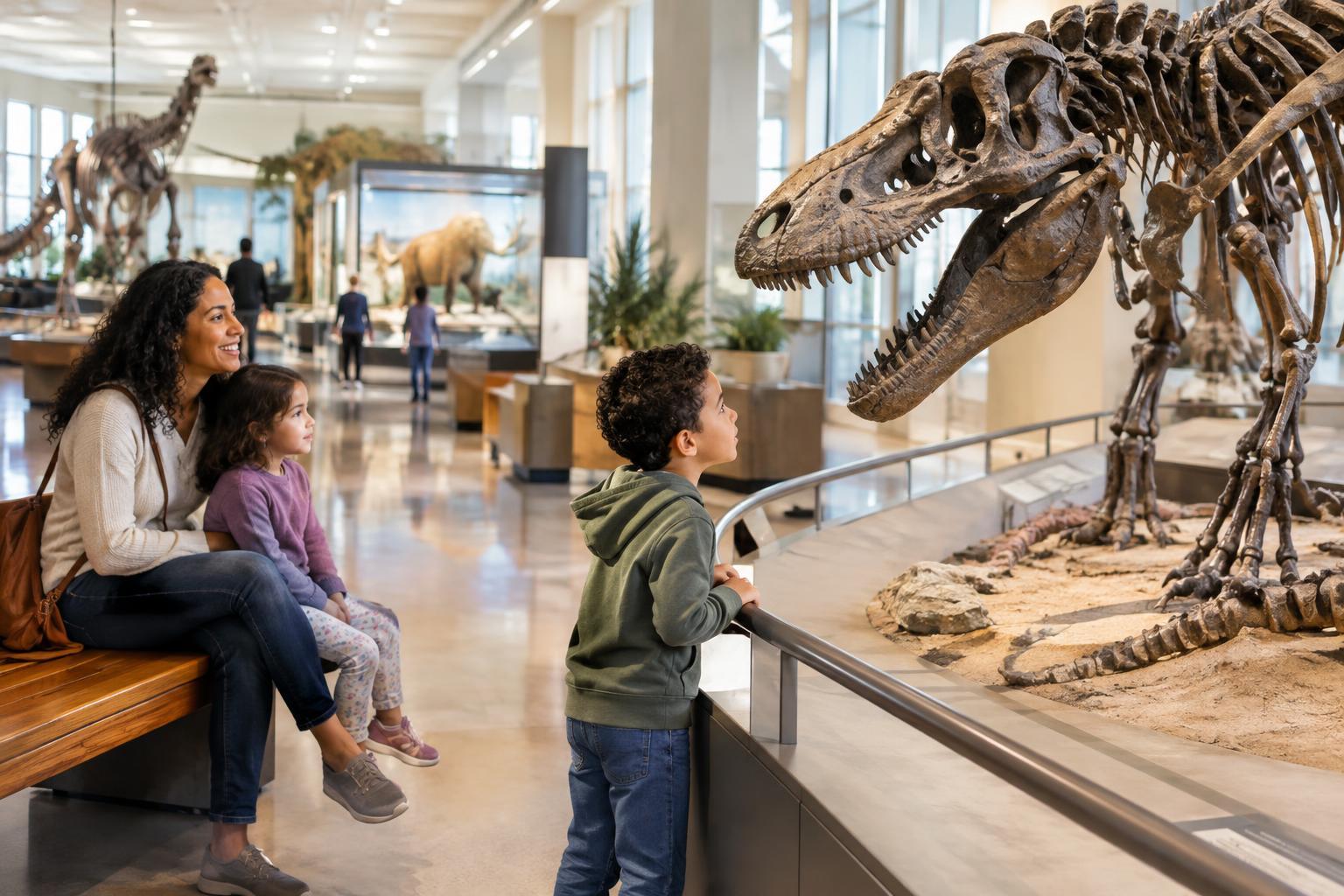
Start with one or two exhibits that connect to something your kids already notice. A child who points out birds on the sidewalk might enjoy an animal display. One who likes building with blocks may be drawn to models, structures or hands-on design activities. The connection does not have to be educational in a formal sense; familiar interests simply offer an easy way into a new space.
Check a floor map, if one is available, and choose a nearby backup option. Try to keep your first stops in the same part of the building so the visit does not become a search for elevators and stairways. You can save distant galleries for another day. For a first visit, even one memorable room can be plenty.
Invite kids to help choose within a small set of options: “Would you rather see the big paintings or the space objects first?” A limited choice gives them a say without making them responsible for planning the entire outing. If they become absorbed in something you expected to pass quickly, consider staying. Their attention can be a better guide than the route you imagined at home.
Make room for different ways to look
Kids do not have to read every label or stand quietly in front of each object to get something from a museum. One child may want to ask questions; another may prefer to spot colors, shapes or tiny details. You can keep conversation simple: “What do you notice?” or “Which part would you like to look at again?” There is no need to supply an answer to every question on the spot.
Museum rules vary, so point out expectations as you go: where touching is welcome, what needs to be viewed without hands and how to give other visitors room. When an exhibit is crowded, step aside and return later if you can. Some families enjoy a small looking game, such as finding three round things in a gallery. Keep it optional; quiet observation counts as participation too.
Set a pace that leaves energy for the trip home
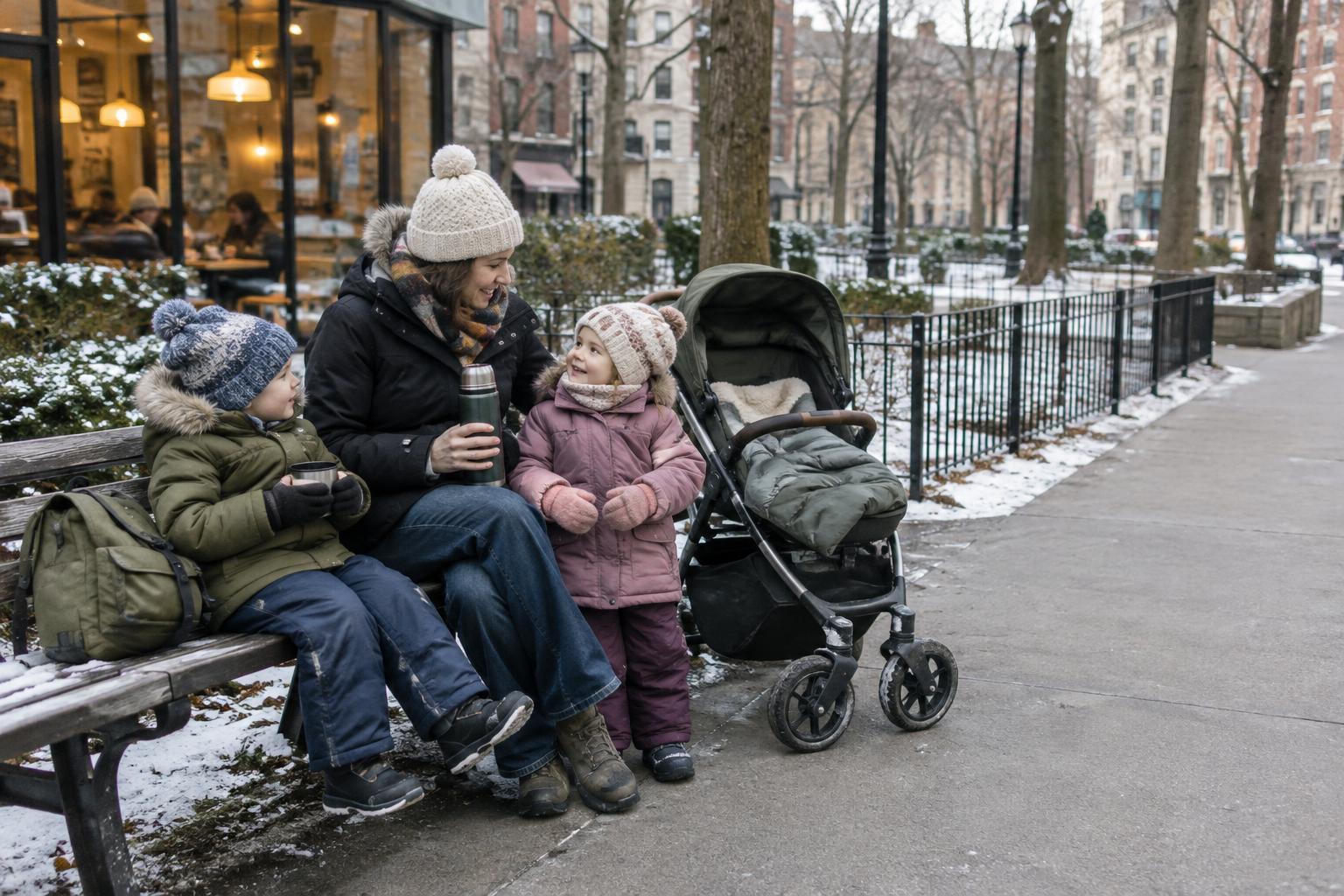
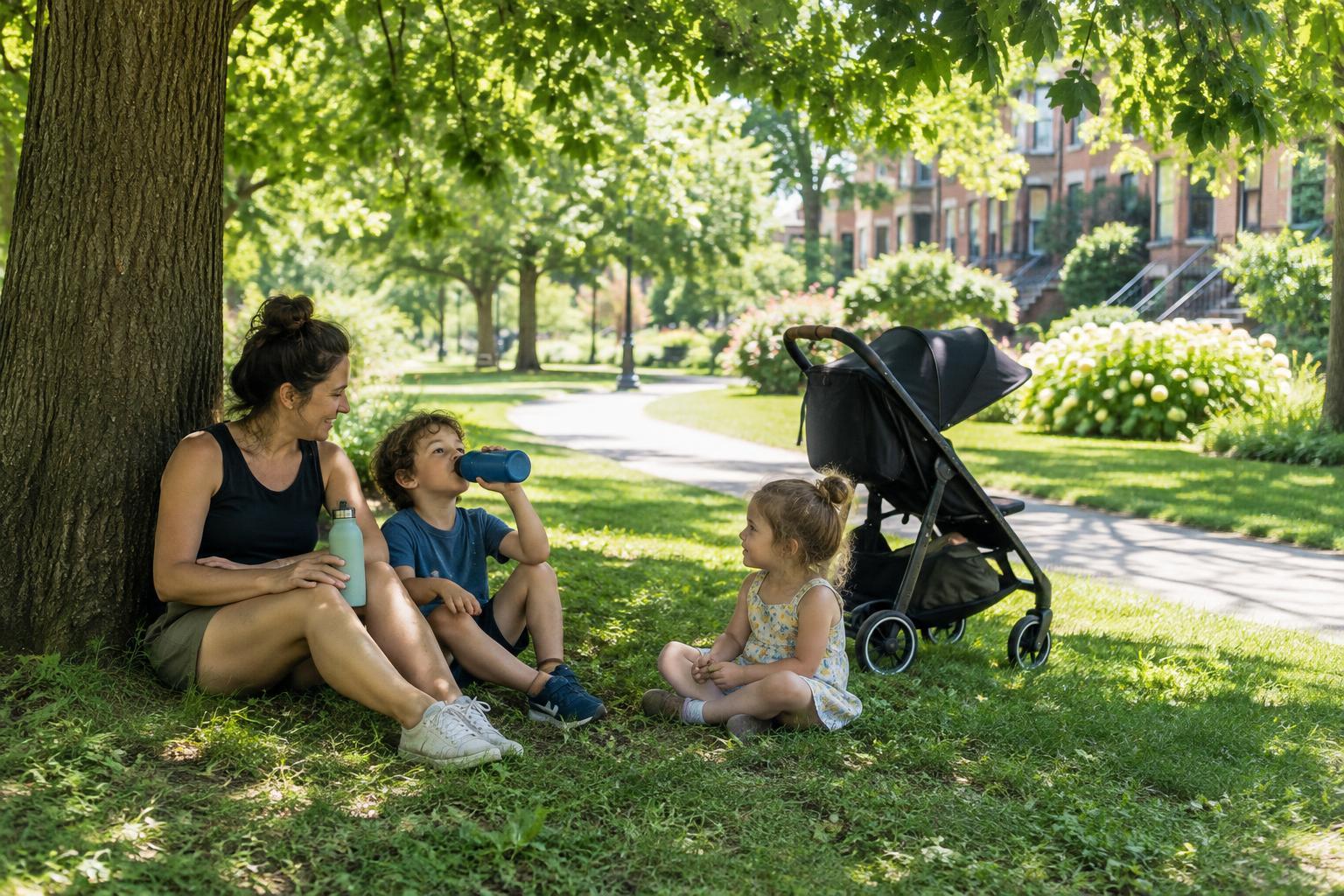
Plan for pauses before anyone urgently needs one. A bench, a restroom stop or a drink of water can reset the group between galleries. It may help to name the shape of the visit in advance: “We’ll see two exhibits, take a break and decide whether we want one more.” That gives kids an idea of what comes next while leaving you free to adjust.
Pay attention to effort as well as interest. A child can be fascinated by an exhibit and still be ready to leave soon afterward. If the museum has a welcoming lobby or outdoor space, a few minutes there may ease the transition to the street. If not, heading home after your planned highlights is a perfectly complete visit.
On the way back, ask each person to name one thing they remember, whether it is an artwork, a button they pressed or the view from a window. You can follow up later with a drawing or a book if the interest sticks, but nothing extra is required. The goal is not to finish the museum. It is to make visiting one feel possible, comfortable and worth doing again.