Choose a branch that fits your day
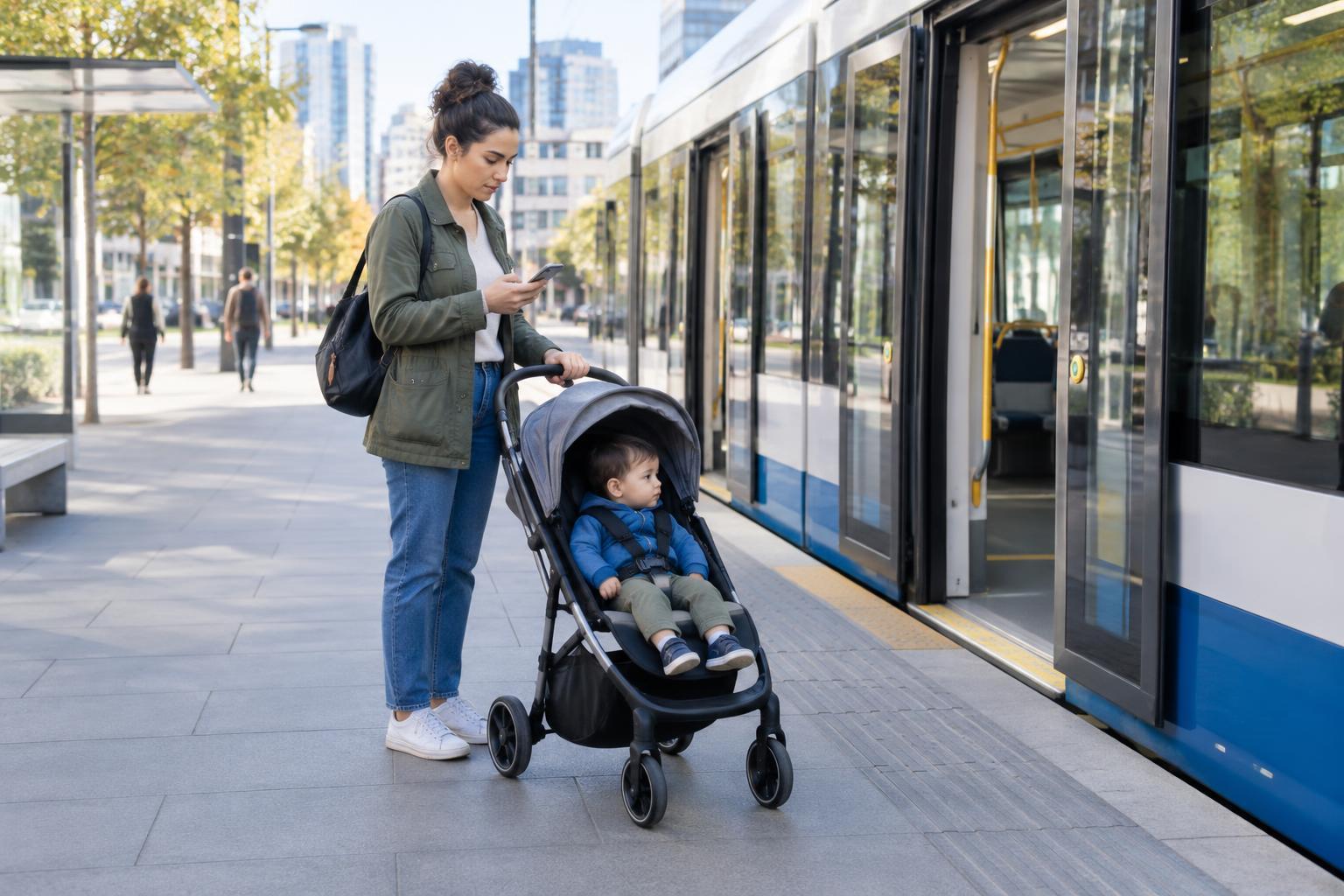
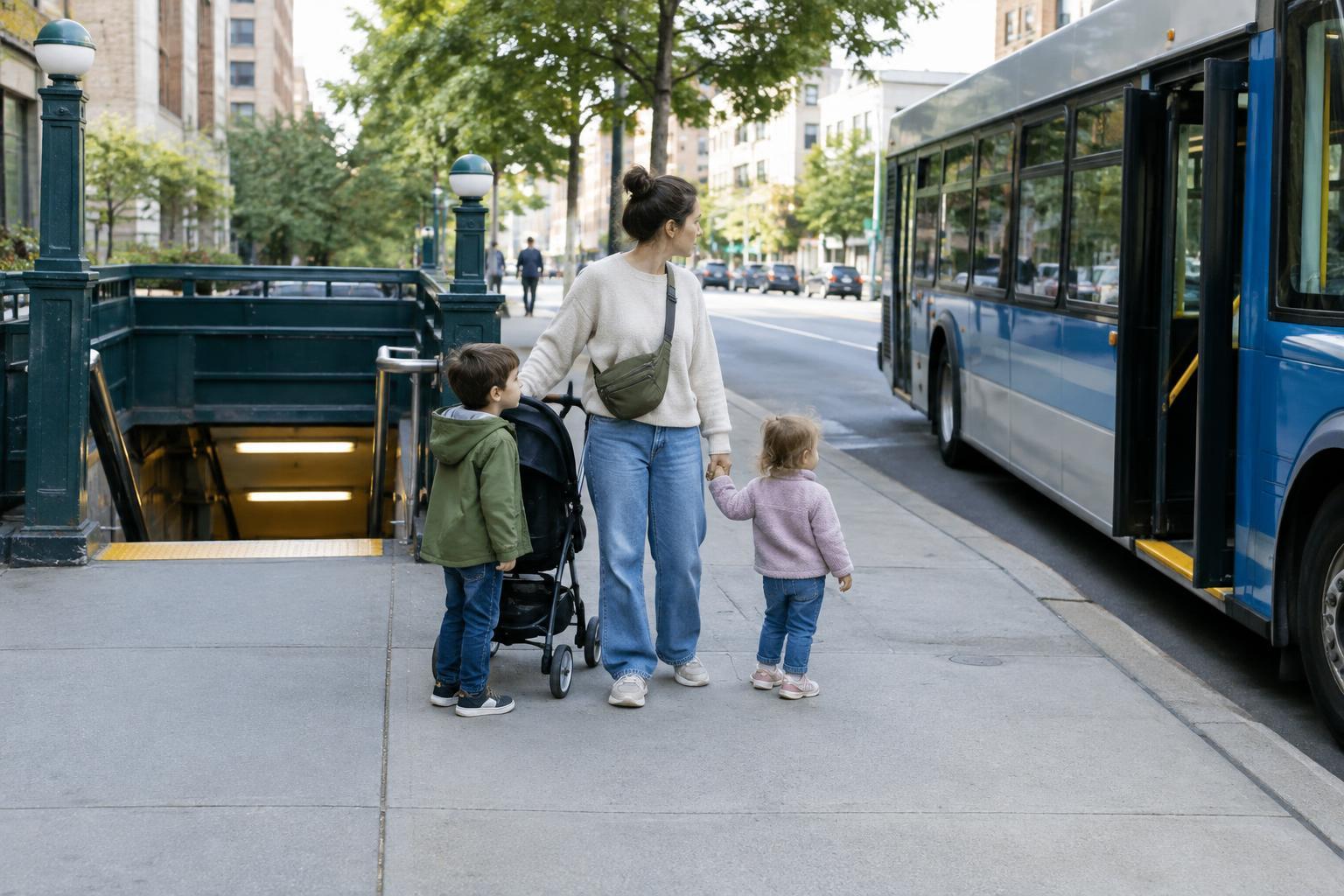
A good family library trip does not have to be a big event. In Queens, a nearby branch may be the easiest choice, especially if you are traveling with a stroller, young children, or a short window between other errands. Think first about the trip there and back: how long it takes, whether you can walk or use transit comfortably, and where you might pause if someone needs a break.
Before leaving, check the branch’s posted hours and any notices about closures or events. If a story time or other program is the main reason for your visit, look for its age guidance and whether registration is needed. Branch layouts and amenities can differ, so it is worth checking ahead if you need step-free access, a place to park a stroller, or another specific accommodation. A regular browsing visit needs less planning and gives children more freedom to set the pace.
Pack lightly and set one simple goal
Library outings tend to go more smoothly when the bag contains only what you are likely to use: a library card if you have one, water for the journey, a small snack for before or after the visit, and the everyday supplies your child needs. Plan to eat outside the library unless the branch’s rules say otherwise. If you hope to borrow books, leave enough space in your bag to carry them home.
Give the visit one manageable purpose, such as choosing a bedtime book, finding something about a current interest, or spending a little quiet time together. You can explain the plan on the way: “We’ll look around, pick a few books, and then head home.” That is easier for a child to follow than a long list of expectations. If it is your first visit, you can also ask staff where to find the children’s area and how borrowing works.
Let children take part in the browsing
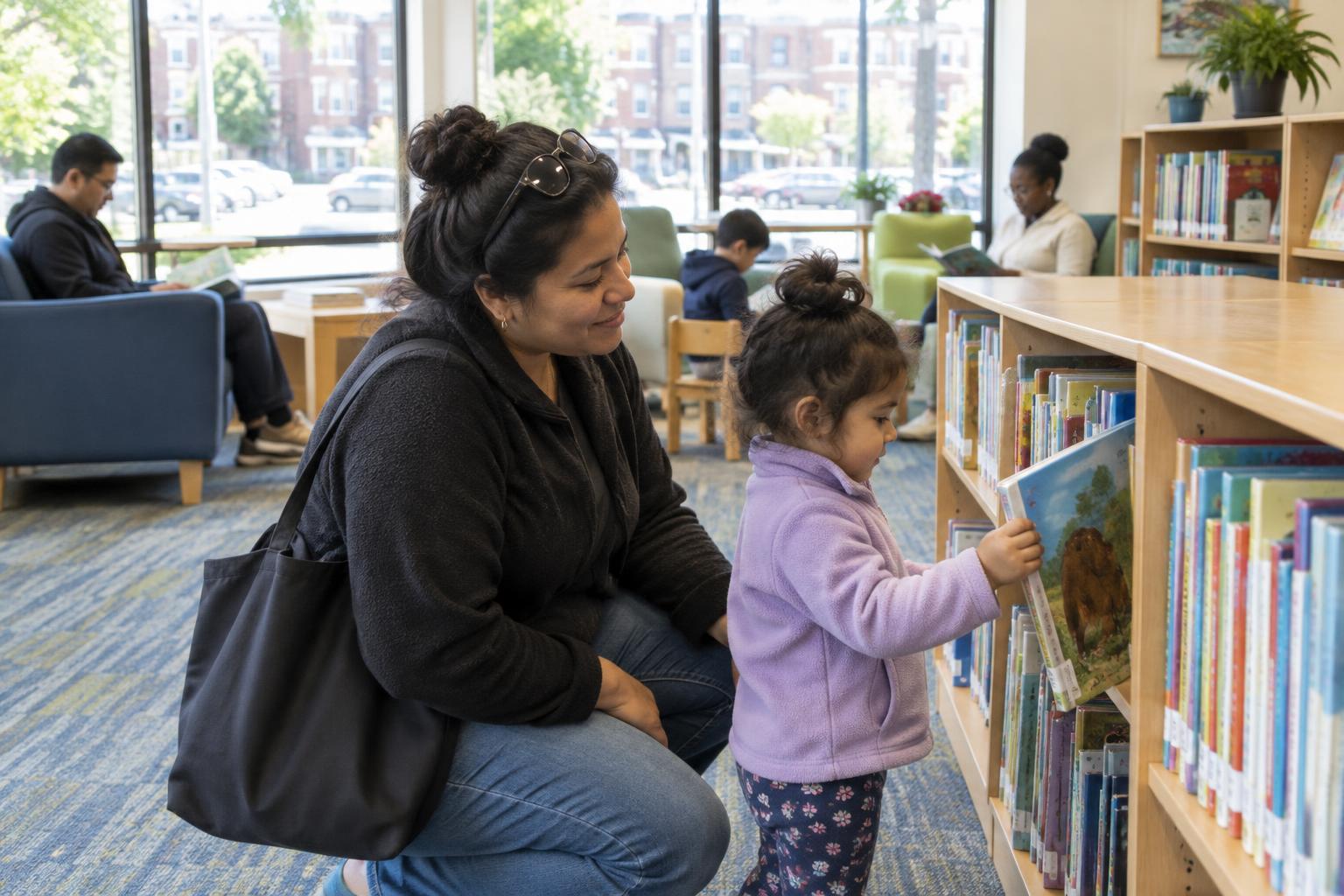
Once inside, allow a few minutes to look around before steering toward a particular shelf. A child may be drawn to a cover, a familiar character, a topic they have just discovered, or a book that seems unusual to an adult. Those choices are part of the pleasure of visiting. For younger children, offering a small selection to choose from can make the shelves feel less overwhelming. Older children may enjoy finding one book independently and one to share.
You do not need to finish every book you open. Read a few pages, talk about an illustration, or put a book back and try another. If your child prefers to listen rather than read aloud, you can take turns noticing details in the pictures or wondering what might happen next. Follow the branch’s guidance about where books should go after browsing; some libraries prefer that visitors leave used books on a designated cart rather than reshelving them.
Make room for other library users
A public library is a shared space, not a place where children must be perfectly still. A brief explanation before you enter can help: use indoor voices, walk rather than run, and keep an adult close enough to help with books and shared equipment. If your child becomes restless, a short change of activity or a break outside may work better than trying to extend the visit.
It helps to set a gentle endpoint while everyone is still having a reasonable time. You might choose books after fifteen or twenty minutes of browsing, or decide to leave when your child is ready for a snack. The exact length matters less than ending without turning the outing into a struggle. On a difficult day, finding one book to enjoy at home is still a successful visit.
Carry the outing into the rest of the week
Back home, put borrowed books in an easy-to-find spot so they do not disappear among household books. A basket near your usual reading place or the door can make returns simpler. Check the due dates and borrowing rules on your account or receipt rather than relying on memory, and let children help keep track of which books belong to the library.
The outing can continue in small ways without becoming homework. A book about buildings might prompt a closer look at the block on your next walk; a story about food might spark a conversation while making dinner. Children may want to revisit the same book repeatedly, and that is fine. Over time, familiar trips to the library can become an adaptable family routine: sometimes an activity, sometimes a quick stop, and sometimes just a calm place to discover what catches your attention.