Pick one small goal for the day
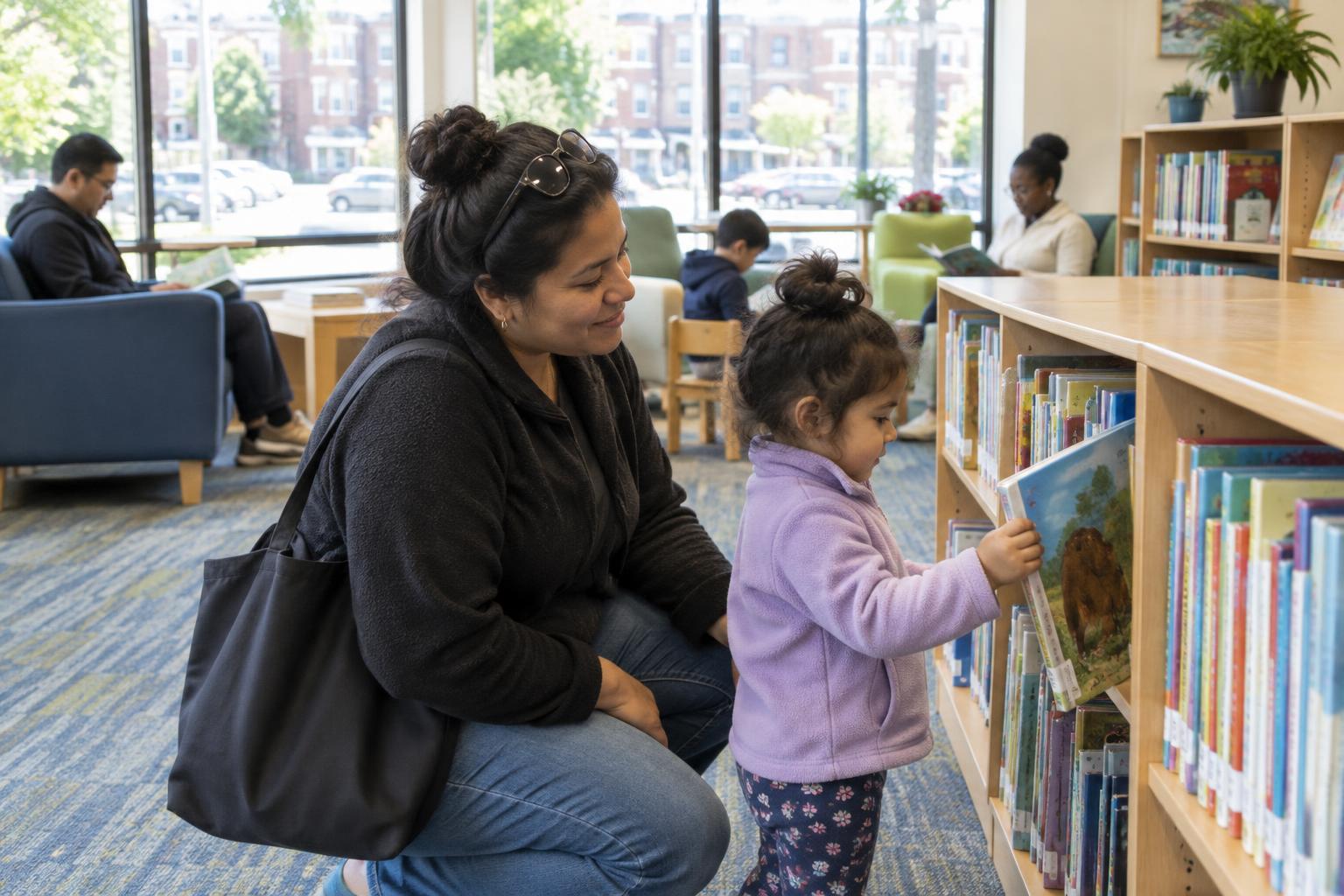
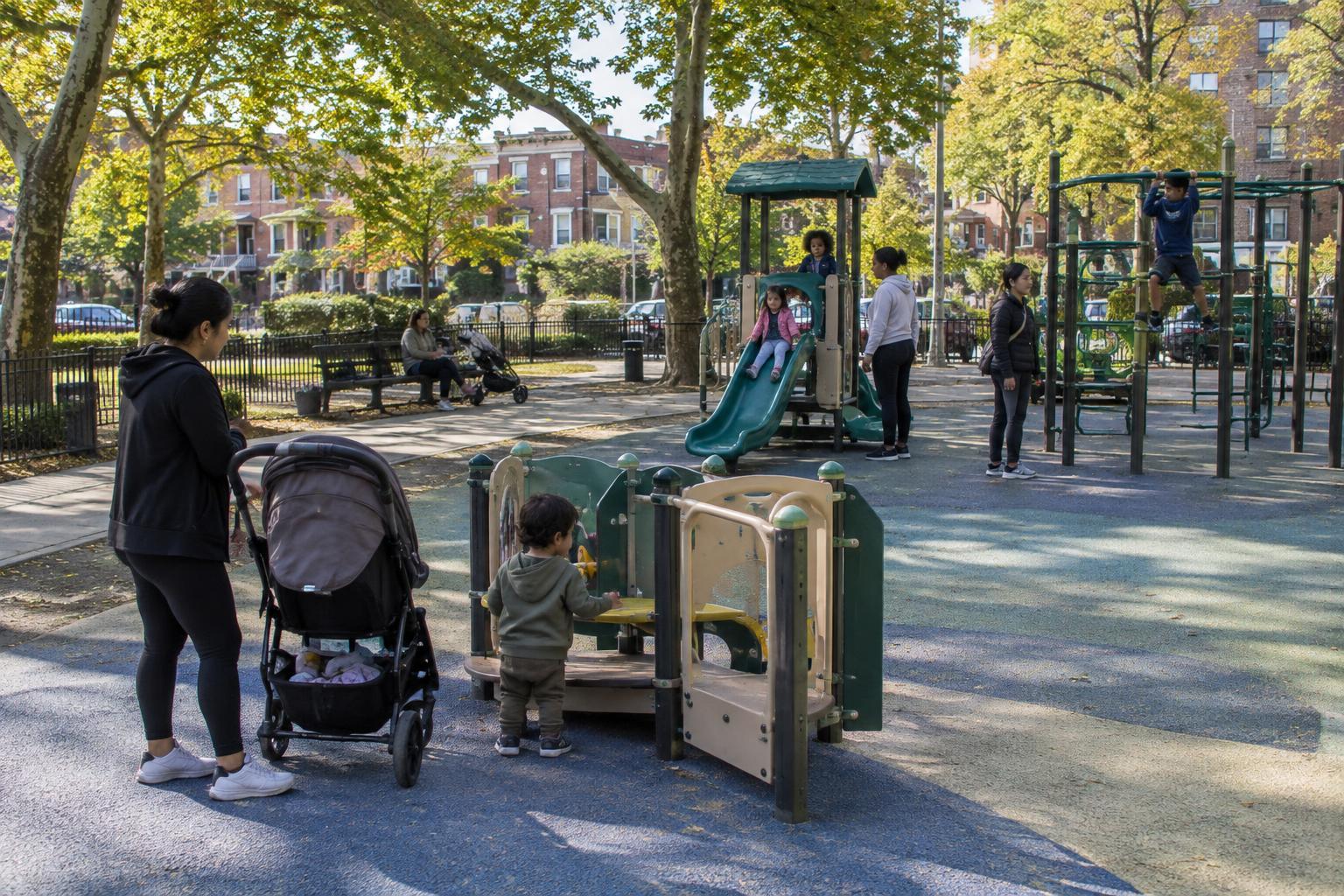
For a first outing, success can be as simple as visiting a playground, looking at books in a library, or eating a snack on a bench together. Choose one main destination rather than a string of stops. If everyone still has energy afterward, an extra stop can be a bonus instead of something you have to complete.
Look for a place that gives kids room to pause or move around and gives you a straightforward way home. Before you leave, consider whether there are restrooms, a spot to sit, and somewhere to step out of a crowd. You do not need a perfect destination. A familiar place reached by an unfamiliar route can be plenty of adventure for a young child.
Plan the route, including the way back
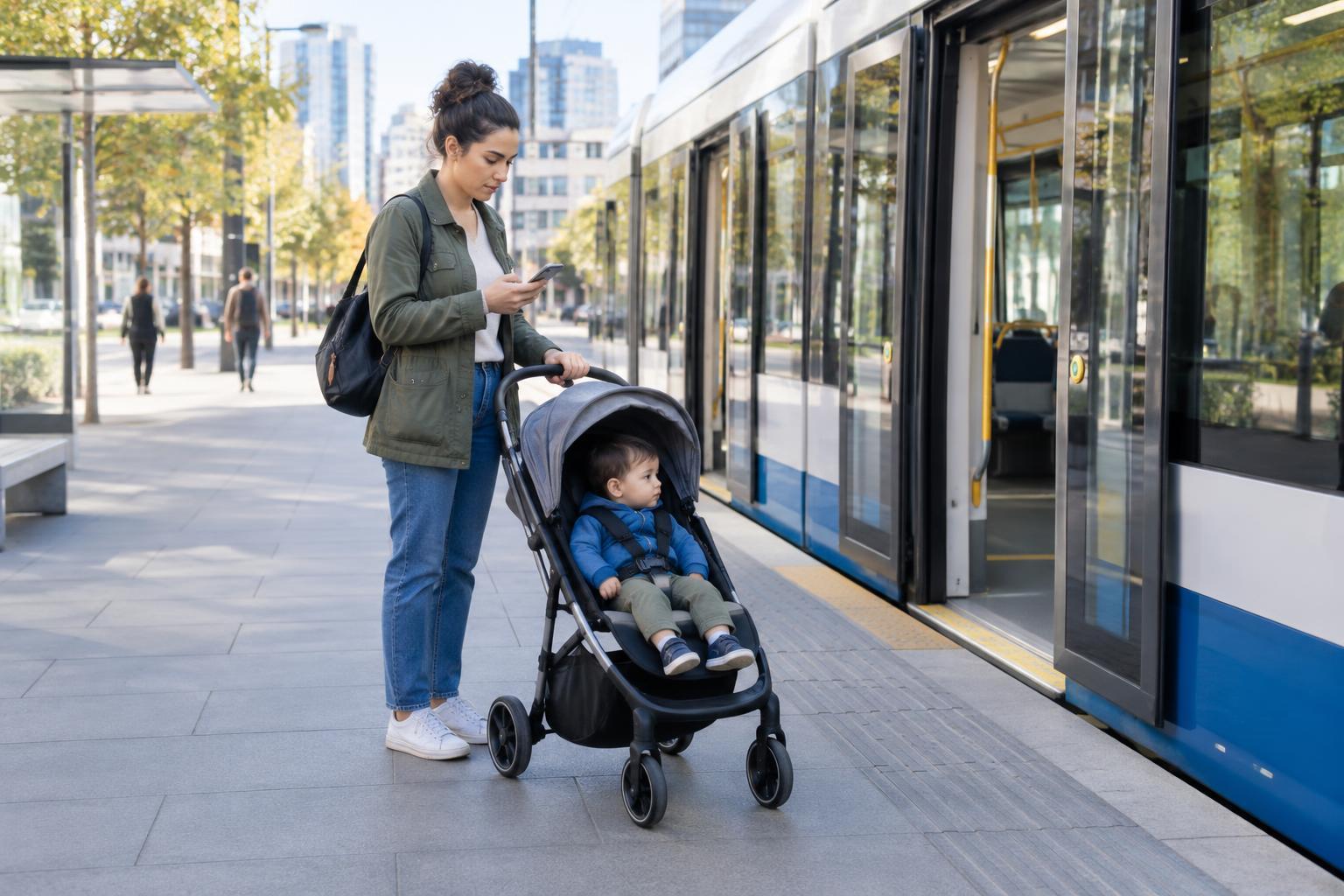
Think through the trip from your front door to the destination: sidewalks, crossings, stairs, station entrances, and the final walk after getting off transit. A route with fewer transfers may feel easier than a faster one with more changes. If you use a stroller, consider how you will handle stairs or narrow spaces, and check accessibility information before you go rather than assuming every entrance will work.
Give the return trip just as much attention. Note a reasonable point when you will start heading home, even if the outing is going well. Young kids may be content at the destination but tired by the journey back. If possible, keep a shorter route or an easy place to stop in mind in case you need to change plans.
Pack for comfort, not every possibility
A manageable bag is often more useful than one packed for every imaginable problem. Bring the essentials your family normally needs, such as water, a snack, wipes, a change of clothes when appropriate, and any supplies needed for diapering. Add a small item that can help during a wait, such as a board book or a favorite quiet toy. Keep the things you are most likely to reach for near the top.
Clothing matters too. Comfortable shoes and layers that are easy to add or remove can make walking and waiting simpler. If your child wants to carry a bag, let it hold something light; plan to carry anything you would not want left behind. A quick check before leaving—keys, phone, transit fare or payment method, and child supplies—can prevent an avoidable trip back upstairs.
Leave room for your child’s pace
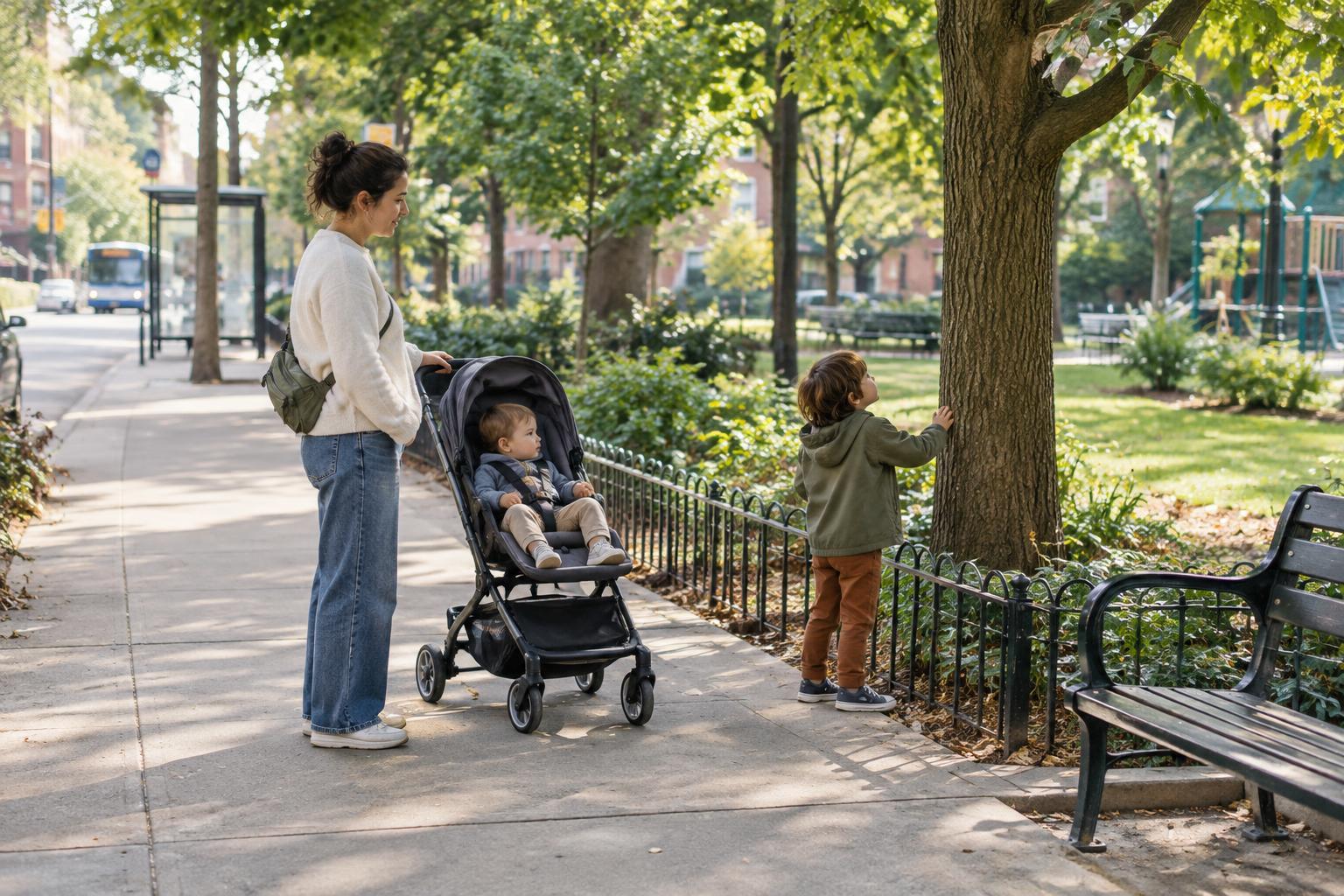
City outings are full of interesting details: a bus pulling in, a shop window, or a dog across the street. Pointing out what you notice can turn ordinary travel into part of the activity. At the same time, crowded crossings and platforms call for clear, simple directions about where to stand and when to hold hands or stay close.
Build in more time than the route seems to require. That extra space covers a restroom visit, a slow walk, or a few minutes to settle after a noisy stretch. A snack or rest before your child is exhausted may help the group keep going comfortably. If the plan stops working, shortening the visit is a sensible adjustment, not a failed outing.
Keep the ending simple
Before leaving the destination, take a moment to gather belongings, offer water, and explain what happens next: “We’ll walk to the bus, then go home.” A short preview gives your child something concrete to expect. If they are disappointed to leave, you can acknowledge that while still moving toward the exit.
Once home, resist the urge to judge the trip by how long you stayed or how much you did. Notice what made it easier and what you would change next time. Maybe the route worked well but you needed an earlier snack, or maybe a closer destination would suit your family better. One modest outing can give you a useful starting point for the next.