Start with the part of the day that works best
Before choosing an activity, look at when your family usually has the most energy. For some households, that means leaving soon after breakfast and returning for an afternoon nap. For others, a slow morning followed by a short outing after rest is more comfortable. Use your child’s familiar routine as a starting point, not a schedule you have to follow exactly.
Choose one main activity rather than trying to fill the whole day. A playground, library visit or walk through a neighborhood market can feel complete on its own. If the outing goes smoothly, you can add a stop nearby. If everyone is ready to head home, you will not feel as though you are abandoning a long itinerary.
Count the travel as part of the outing
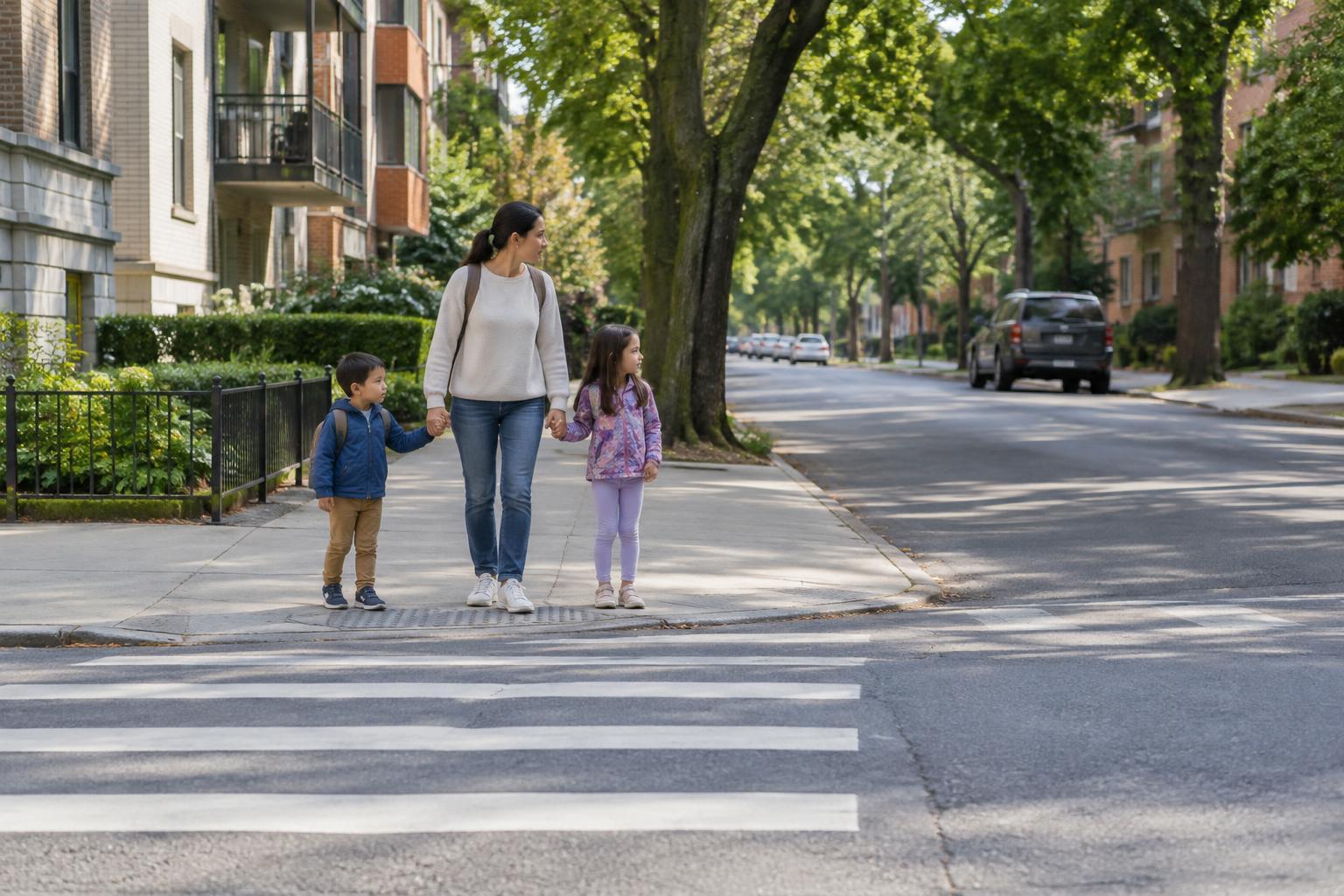
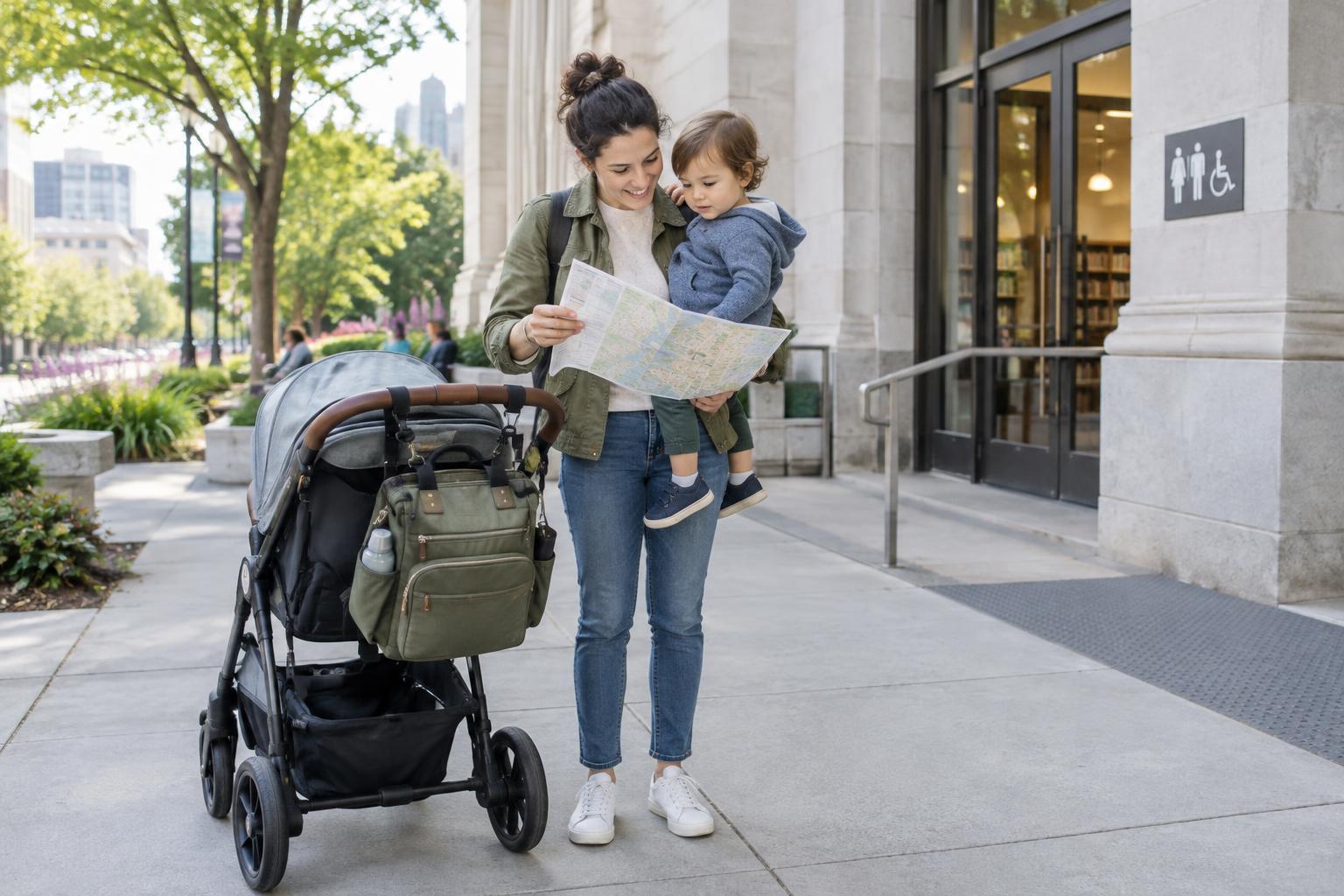
In the city, getting there takes time and attention. Walking to a station, waiting for a train, finding a restroom or getting a stroller through a busy entrance can make a short trip feel longer. When you estimate how long you will be out, include the journey both ways and a little extra time for unplanned pauses.
A destination close to home is often a good choice when you are trying a new routine. For a longer trip, consider whether the route gives you a reasonable place to stop if someone needs food, a break or a change of plans. It also helps to know how you would get home without completing every stop you had imagined.
Make a simple meal plan
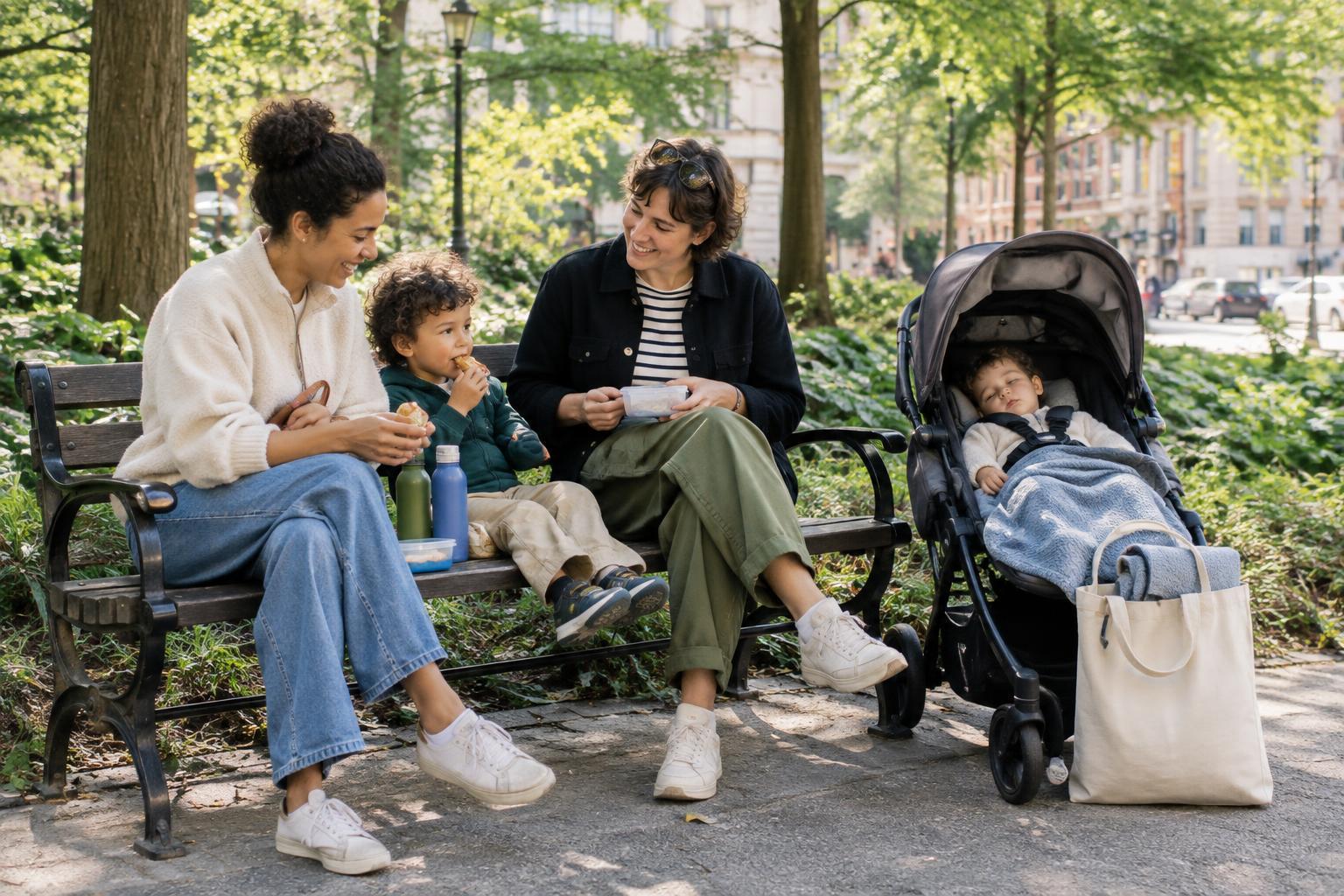
Decide which meal or snack will happen away from home. Eating before you leave can give you a comfortable window for travel and play. If you expect to be out at mealtime, pick an area with an option your family is likely to use, whether that is a packed lunch on a bench or a casual place to eat indoors. Check the practical details that matter to you, such as seating, before making the meal the centerpiece of the day.
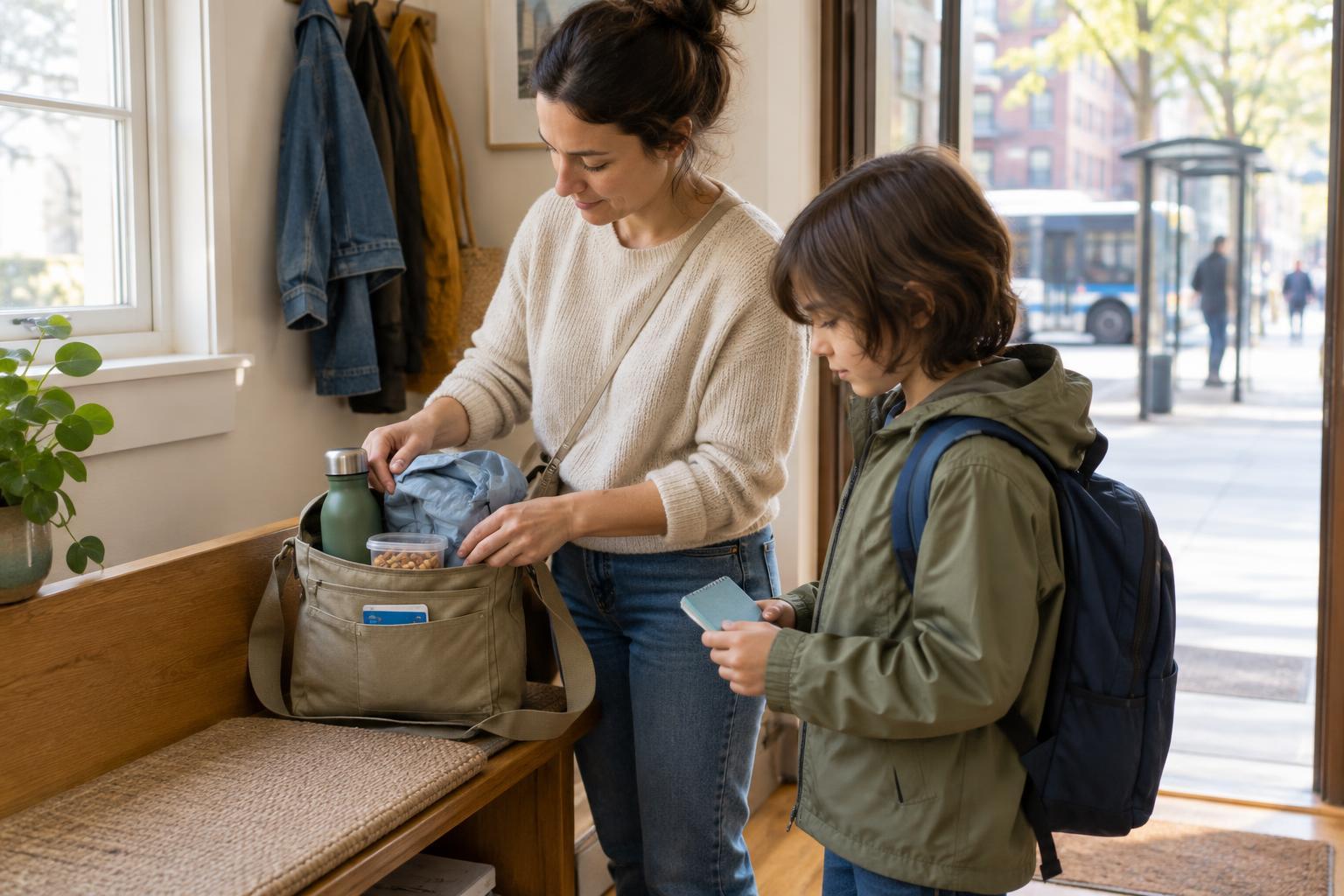
Pack familiar snacks and water where you can reach them easily. They can bridge the gap when a line moves slowly or a ride takes longer than expected. Keep food, wipes and any needed utensils together so a quick snack does not require unpacking the entire bag. Plan a little room for handwashing or cleanup afterward, too.
Leave room for rest
If your child usually naps at home, plan the outing so the trip back begins before everyone is overtired. If your child sometimes rests while traveling, think about whether the route is likely to be calm enough for that to happen. A stroller ride or train trip may work on one day and not another, so it is worth having a plan that does not depend on a nap happening in transit.
For an older child who no longer naps, a quiet break can still help the day feel manageable. Sitting with a book, watching boats or traffic from a safe spot, or simply having a snack away from the busiest part of an attraction gives everyone a chance to reset. Rest does not have to look the same for every member of the family.
Use a plan that can shrink or grow
Before leaving, name your minimum version of a successful outing: perhaps getting outside, visiting one place and sharing a snack. Keep an optional extra nearby, but do not promise it as the main event. This makes it easier to respond to delays, weather or a child who is having less fun than expected.
When you get home, notice what worked without treating the day as a test. Was the departure time comfortable? Did you have enough food and time to get back? Small observations can make the next trip easier to plan. A family outing does not need to fit perfectly between naps and meals to be worthwhile; it just needs enough flexibility for your family to enjoy being out together.