Start with a smaller definition of one-on-one time
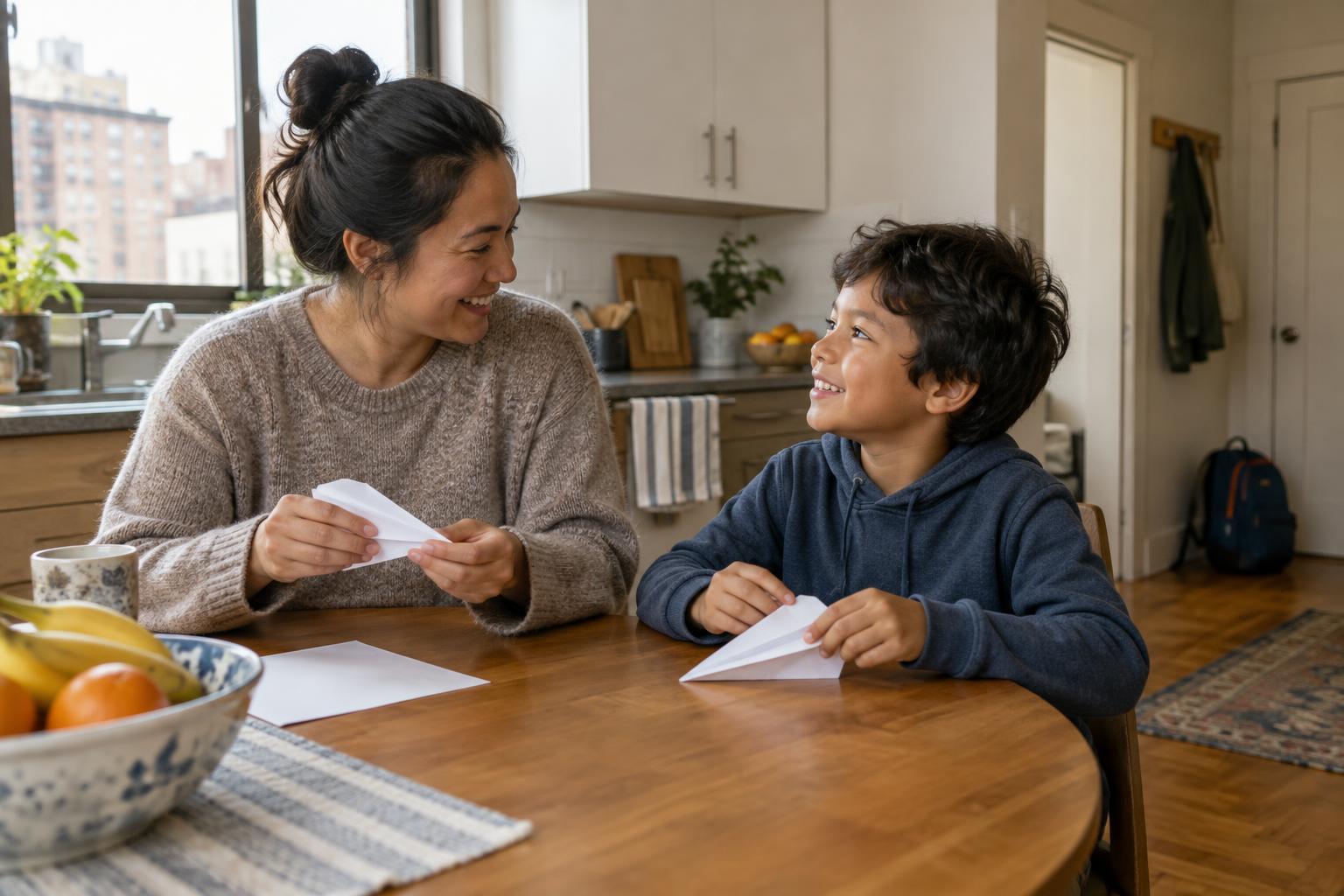
When several children need your attention and the calendar is crowded, a separate afternoon with each child may feel impossible. Try defining one-on-one time as a short stretch when one child has your attention and gets some say in what you do together. Ten minutes of drawing at the kitchen table can count. So can a walk to pick up a household item, if you leave room for conversation instead of treating it only as an errand.
The aim is not to give every child an identical experience. Children have different interests, and your time and energy vary from day to day. What matters is making individual attention recognizable and repeatable. A modest plan you can return to is more useful than an elaborate plan that repeatedly gets postponed.
Find openings in the routine you already have
Look at a typical week before adding anything to it. Is there a quiet period before the household wakes up, a few minutes after dinner, or a recurring trip one child could join? Choose a window that is usually available, even if it is brief. If evenings often run late, a weekend morning or a short stop on the way home may be easier to protect.
Think about who will be with the other children during that window. One-on-one time works best when their needs are accounted for, too: they might be with another caregiver, occupied with an activity nearby, or asleep. If your setup does not allow uninterrupted time, try taking turns in the same room. Tell the child whose turn it is what the boundary means: “I’m doing this puzzle with you first, then I’ll help your sister.”
Offer a few choices that fit the time
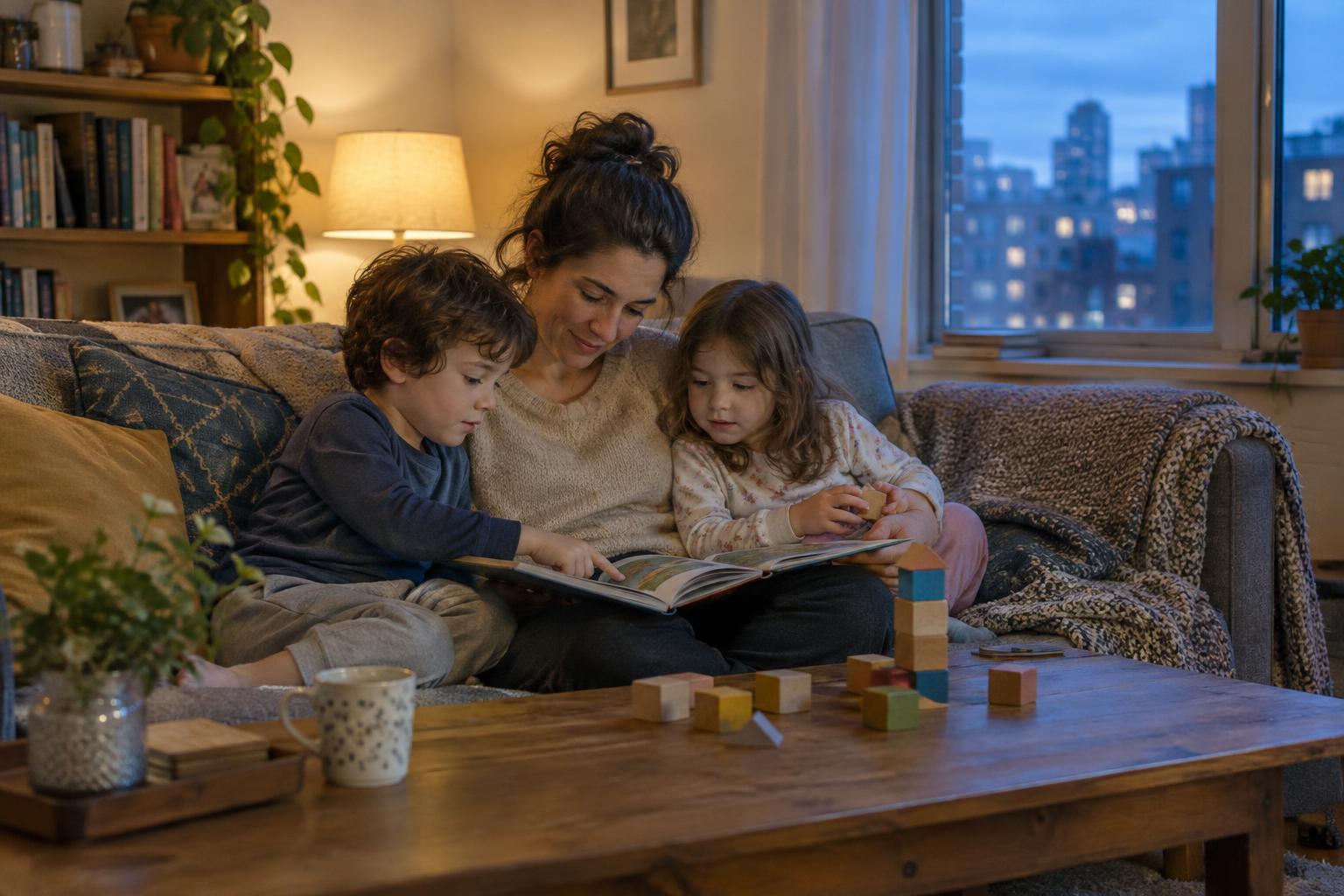
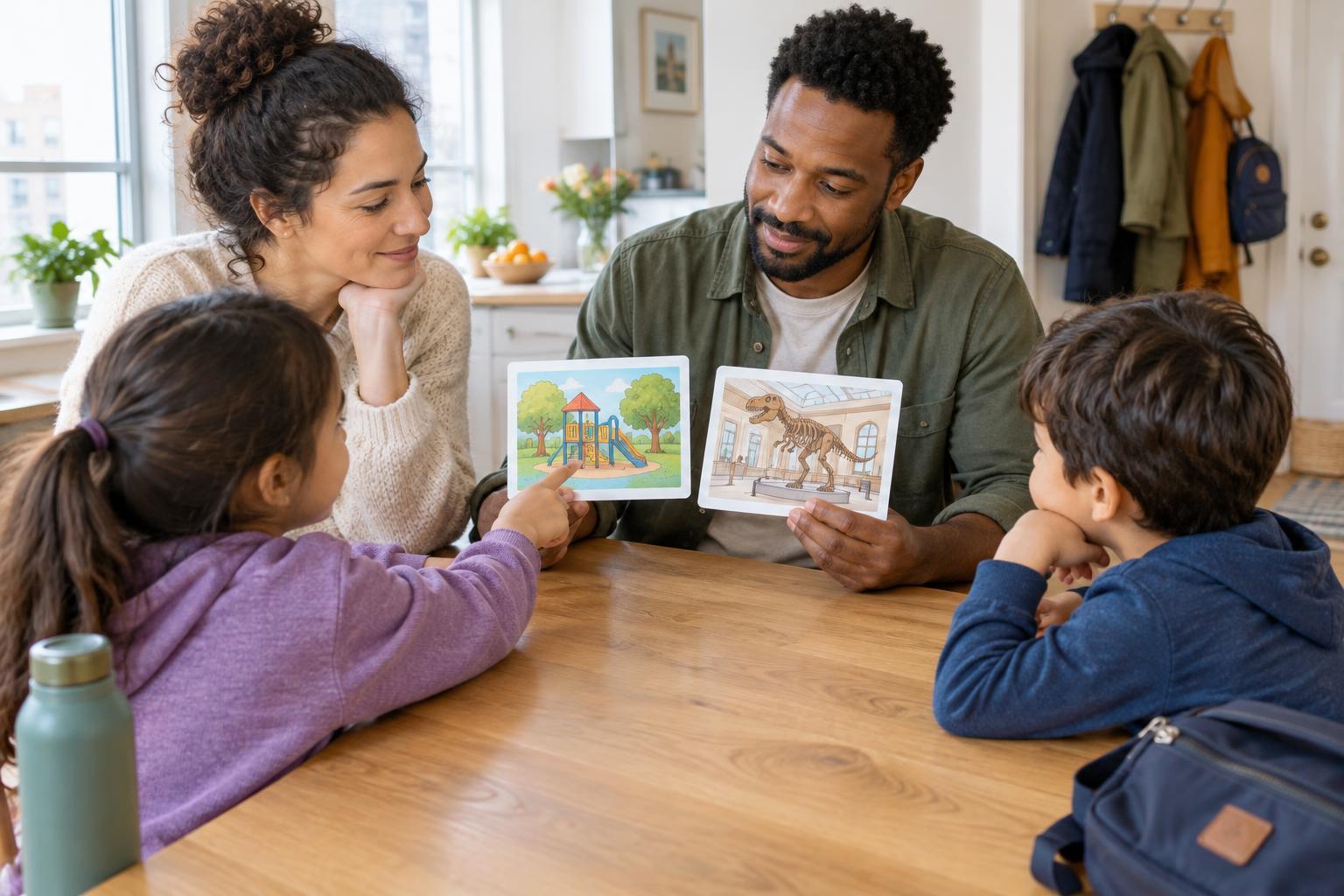
An open-ended “What do you want to do?” can lead to a request you cannot manage that day. Instead, offer two or three realistic choices. For a short window at home, those might be reading together, building with blocks, making a snack, or listening to a favorite song. With more time, a walk around the block, a library visit, or a stop at a playground could work. The activity can be ordinary; the shared decision helps make it theirs.
Let each child’s preferences guide the details without turning every turn into a production. One may want to talk while helping sort laundry. Another may prefer a quiet card game. If a child asks for something that will not fit, acknowledge the idea and offer a smaller version: you might sketch a plan for a future outing together, then do a related activity today.
Make turns visible, but leave room for change
A simple rotation can reduce questions about whose turn is next. You might pair each child with a regular part of the week or write names on a calendar where everyone can see them. Explain that turns are a way to help you remember, not a promise that every week will unfold perfectly. If a turn is missed, name the change and say when you expect to try again rather than quietly dropping it.
Fairness does not always mean the same number of minutes on the same day. A child who joins you for a grocery trip may get a different kind of attention from a child who has a bedtime story alone with you. If one child consistently gets the easier slot, however, revisit the rotation. Ask whether each child has a chance to choose something they enjoy and to have your attention without needing to compete for it.
Protect the connection, not the perfect plan
Before your time together, put away distractions you can reasonably set aside and tell your child how long you have. A clear beginning and ending can make a short activity feel less rushed: “We have time for one game before I start dinner.” When the time is up, notice something specific you enjoyed, such as the story they invented or the question they asked on your walk.
Some days the chosen activity will not work. A child may be tired, a sibling may need help, or everyone may need a reset. You can switch to a quieter option, shorten the turn, or reschedule it. One-on-one time is not a test of whether you followed a plan exactly. It is a small, ongoing way to show each child that there is room for them in the life you already share.