Plan for the feeling, not just the destination
A family outing can fall apart before you leave home or halfway there. Rain arrives, a place is unexpectedly closed, transit takes longer than expected, or everyone simply has less energy than the plan requires. A backup plan helps most when it preserves the reason you wanted to go out, rather than trying to recreate the original schedule.
Before leaving, name that reason in a few words: fresh air, room to move, time together, a change of scenery or a chance to explore. If a playground visit falls through, for example, a short walk with a place to pause may still offer fresh air and movement. If the goal was time together, a nearby café or a picnic on the living-room floor might do the job. This gives you more choices than a second destination alone.
Choose one nearby option and one easy exit
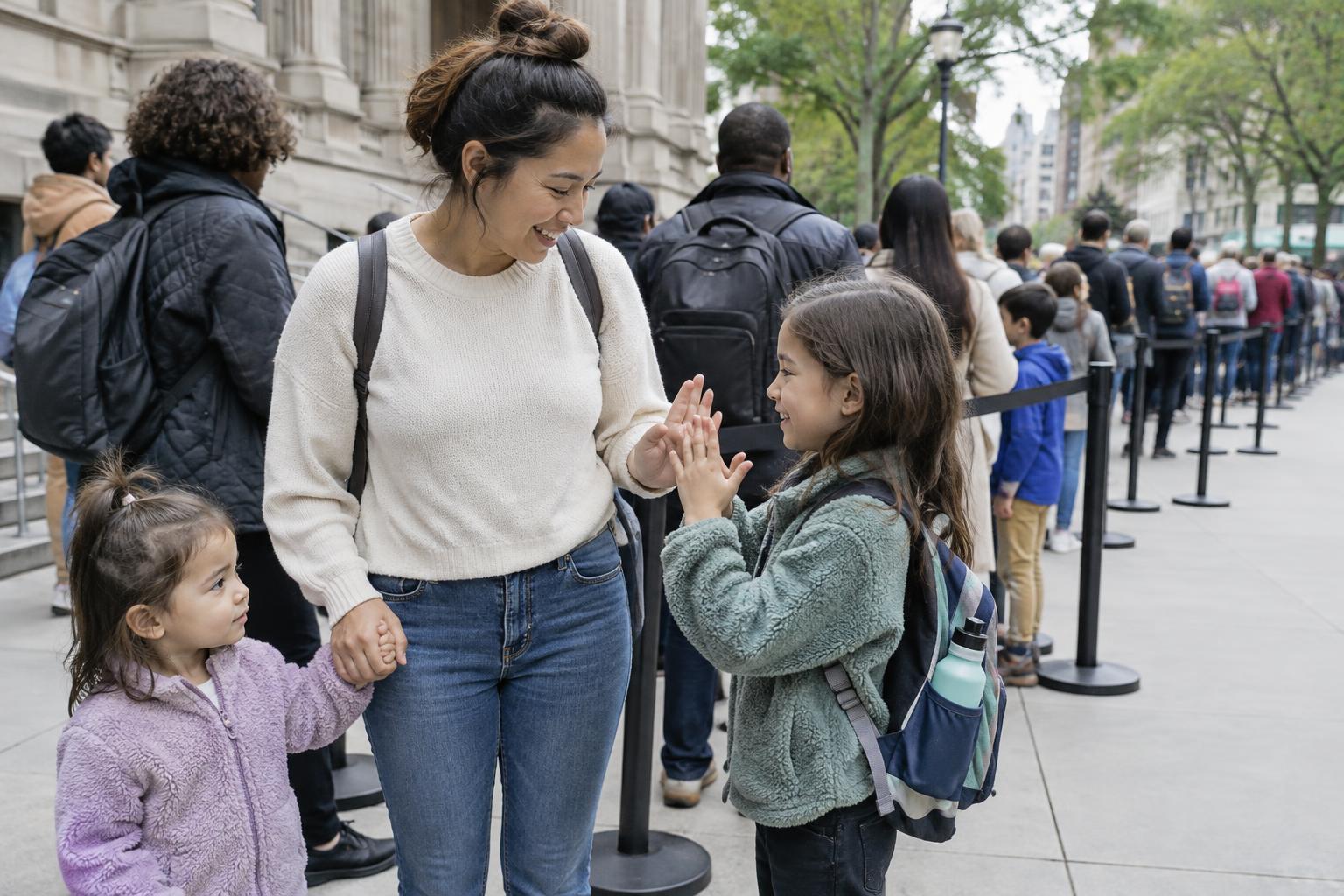
Keep the backup small. Choose one alternative close to your original destination and one way to simplify or end the outing. For a museum trip, the nearby option might be a library or a walk around the block. The easy exit might be heading home with a snack for later. You do not need a full replacement itinerary.
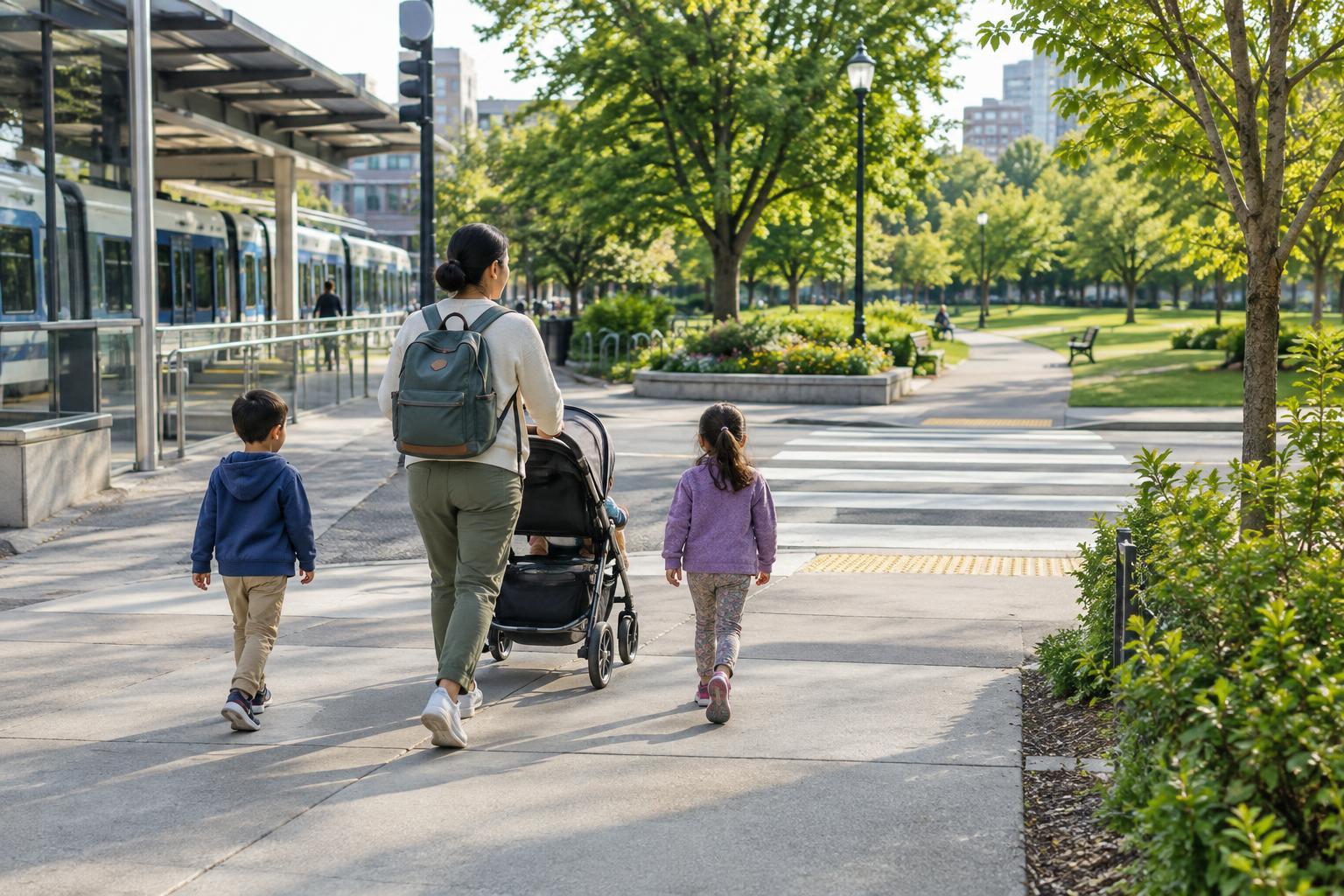
Think about how much extra travel your group can comfortably manage. A backup that requires another long ride, several transfers or a search for an unfamiliar entrance may not feel like a backup at all. Consider whether the alternative has a place to sit, a restroom you can use and enough room for your stroller or other gear if you need it. Hours and access can change, so it helps to check details before committing to the switch.
Make the decision at a clear checkpoint
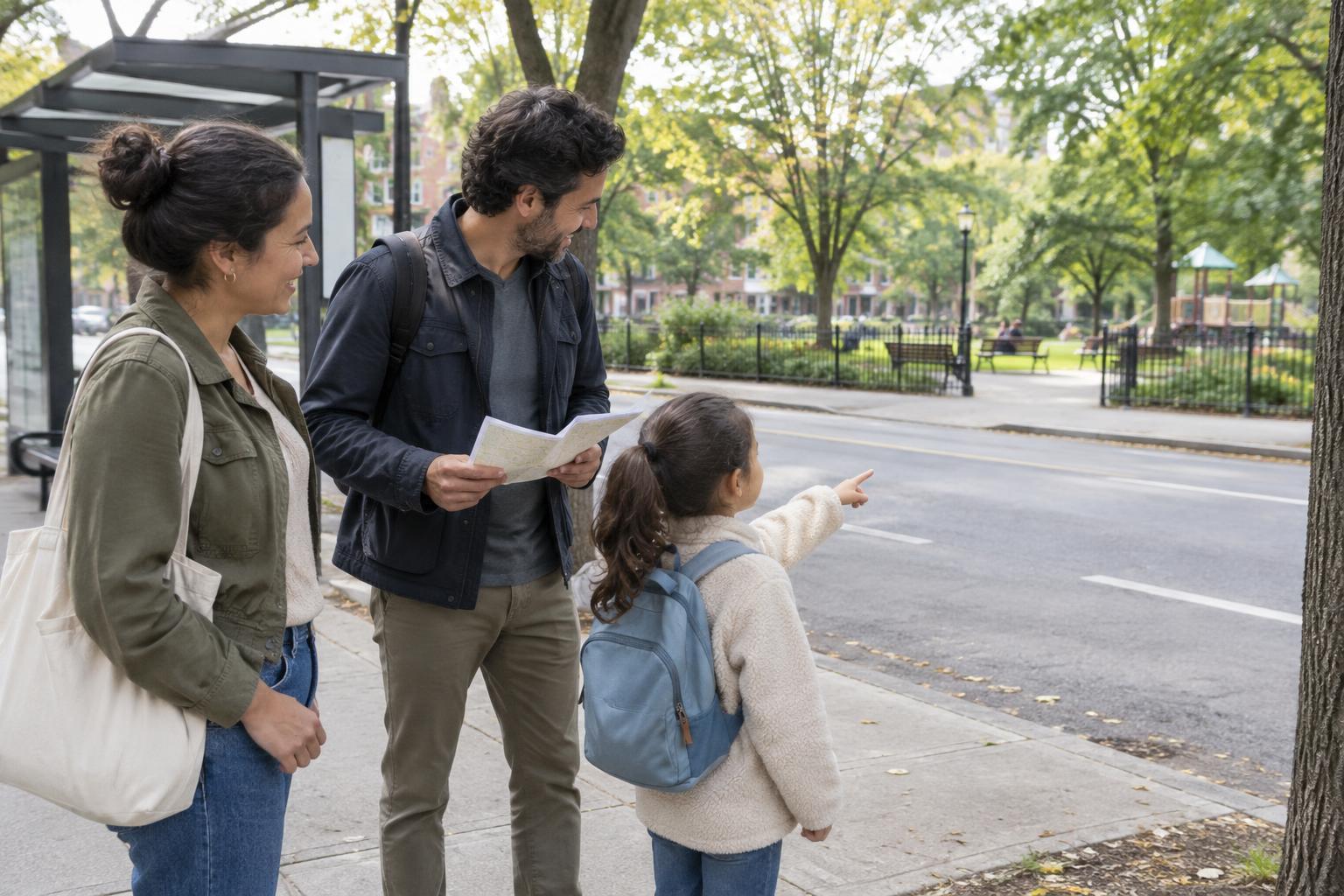
It is easier to change course when you decide where that choice will happen. Your checkpoint could be the front door, the transit stop or the entrance to your planned activity. At that point, ask three quick questions: Is the original plan still possible? Does everyone have enough energy for it? Would the nearby option be simpler?
Setting a checkpoint can keep a minor setback from becoming a long debate on the sidewalk. You might also decide in advance what would make you turn around, such as a missed connection that leaves too little time at your destination. The aim is not to enforce a rule; it is to give yourself permission to choose the easier day when circumstances change.
Pack for a change of pace
A few ordinary items can make both the main plan and the backup more comfortable. Water, a familiar snack, an extra layer and a small activity for waiting can be useful across many kinds of outings. Keep the bag manageable, especially if you will carry it on transit or through crowded spaces. Packing for every possible problem can create more work than the outing itself.
For a child who likes to know what comes next, a brief explanation can help: “We’re going to try the park. If it’s too wet, we’ll take a short walk and head home.” If plans change, say what is happening and offer a small choice within the new plan, such as which street to walk down or whether to have the snack now or after the ride. Disappointment may still be part of the day, and it does not mean the backup failed.
Let the shorter outing count
A backup plan is not a promise that every outing will become a different adventure. Sometimes the best choice is to go home, rest and try again another day. A ten-minute walk, a stop for a snack or even the trip there and back can still be time spent noticing the neighborhood together.
Afterward, make a quick mental note of what worked. Was there a convenient place to pause? Did an alternative require less effort than you expected? Over time, you can build a short list of dependable options near places your family visits often. That list is more useful than a complicated plan: it leaves room for the weather, the city and your family to have an ordinary, unpredictable day.