Give the pause a new purpose
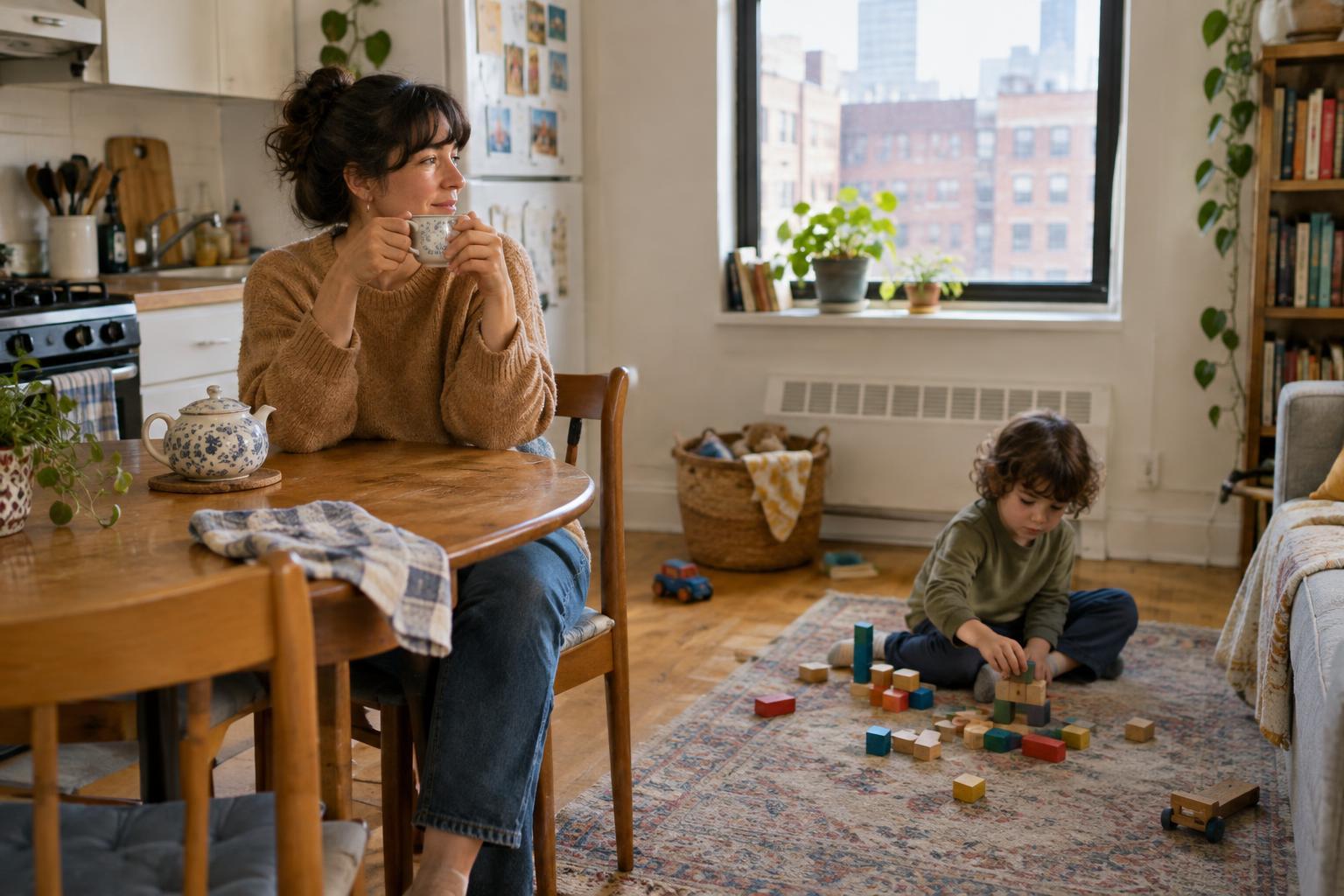
When a child stops napping, the old nap window does not have to disappear. Quiet time can be a predictable stretch for resting, looking at books, drawing, or playing gently. It is not a test of whether a child can fall asleep. The goal is to give everyone a change of pace between the busy parts of the day.
Introduce the idea in simple terms: “After lunch, we’ll have some quiet time, then we’ll play together.” A child who hears “nap time” may expect the old routine or resist being asked to sleep. A new name helps make the change clear. If your child occasionally falls asleep anyway, you can still treat the routine as quiet time rather than making sleep its purpose.
Start with a small, predictable routine
Choose a time that fits your household, perhaps after lunch or before an afternoon outing. Begin with a short period your child can manage, then adjust it over time. Consistency matters more than choosing a particular length. Keeping the first few steps familiar—a bathroom visit, a drink of water, and choosing an activity—can help a child know what comes next.
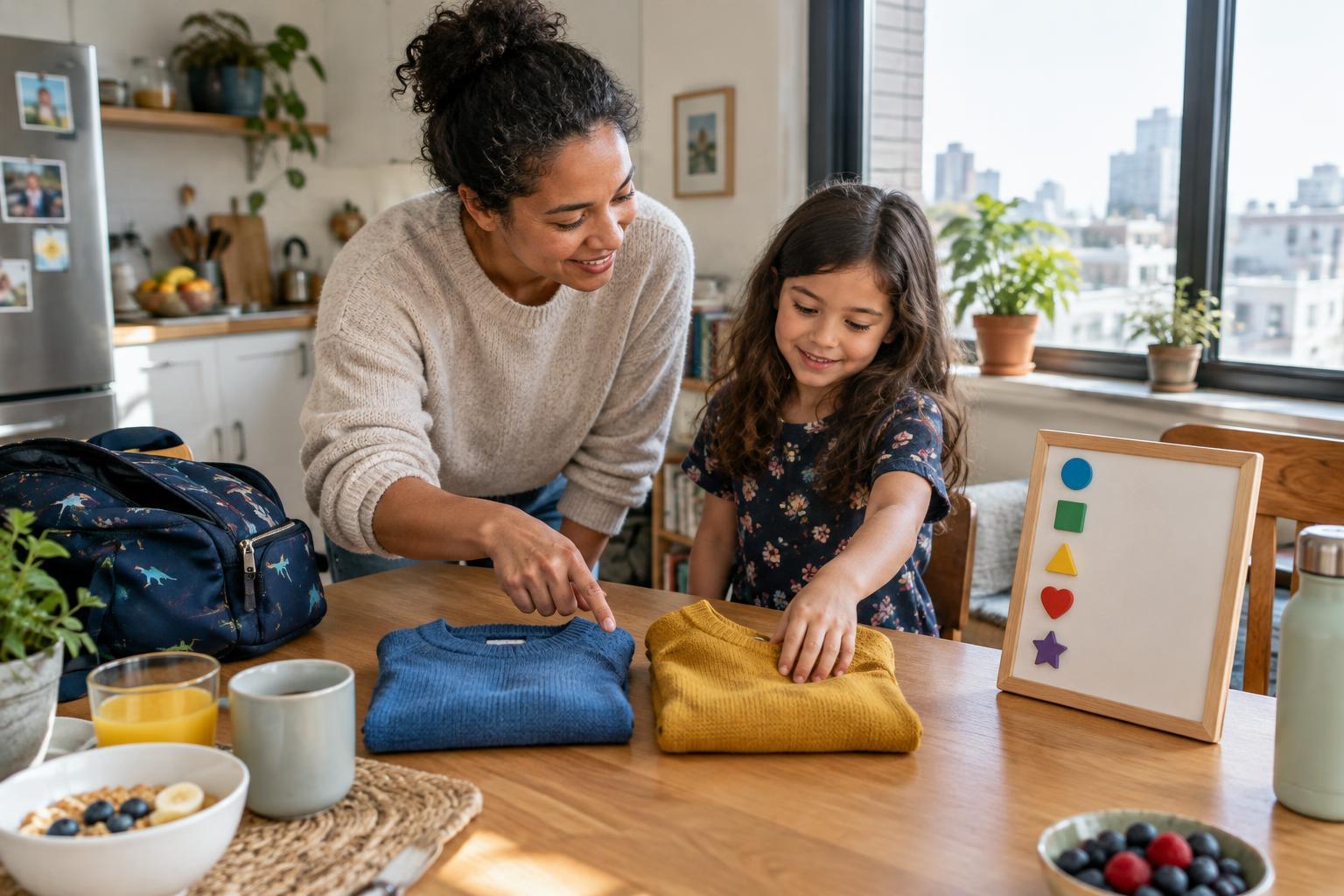
Explain both the beginning and the end. You might use a visual timer, play the same gentle song as a starting signal, or say what you will do afterward. If a timer makes your child watch the minutes rather than settle in, try a less prominent cue. Quiet time should feel like a dependable part of the day, not a challenge to endure.
Set up a space with easy choices
A quiet-time spot does not need to be a separate bedroom. A corner of the living room, a mat beside your workspace, or a familiar place with a few books can work. Choose a space where you can provide the supervision your child needs, and keep the available activities appropriate for them. In a small city home, a basket that comes out only for quiet time can make the routine feel distinct without taking up permanent space.
Offer a few calm options rather than an overwhelming pile of toys. Picture books, simple puzzles, coloring supplies, soft toys, or building pieces may suit different children. Let your child choose from what you have prepared: “Would you like books or drawing today?” A little choice gives them ownership while keeping the expectation clear. Put away activities that invite loud play or require frequent adult help.
Expect practice, not instant independence
Some children settle quickly; others want company or move between activities. If quiet time is new, spend the first few minutes together looking at a book or starting a puzzle. Then tell your child what you will be doing nearby and when you will check in. Brief, calm responses can help when they call for you, without turning every call into a new activity.
It is fine to revise the plan. A child who struggles with being alone might start with quiet play beside a caregiver. One who finishes an activity early may need a second choice ready. If the routine regularly ends in frustration, shorten it or change the setup and try again. Building a workable habit is more useful than insisting that every day look the same.
Make room for real-life afternoons
Quiet time does not have to happen perfectly to be worthwhile. On an outing day, it might be a few minutes with books after getting home. On a crowded or noisy afternoon, it might mean sitting together and listening to a story. If siblings share a space, they may need different activities or separate spots to keep the pause peaceful.
Caregivers can use the time to take a breath, prepare for the next part of the day, or sit quietly nearby. Try not to depend on it as an uninterrupted work block, especially at first. Over time, notice what helps your child return to the afternoon feeling comfortable. That observation, rather than a fixed rule about how long quiet time should last, can guide your family’s routine.