Start with places you already use
The easiest affordable outing may begin at a place your family already knows. Public libraries often offer more than books: look at the events calendar for story times, craft sessions, performances or activities for different ages. Branches may have different schedules, so check the location you can reach most easily rather than assuming every branch has the same program. A library visit can also be an outing on its own if children have time to browse, choose a book and settle in for a read.
Parks and playgrounds are another starting point. A familiar playground feels new when you add a small purpose, such as looking for different leaf shapes, bringing a ball or finding a shady place for a snack. Check local parks calendars for nature walks or family programs, and confirm whether registration is needed. Even when there is no scheduled event, a short walk and an hour of open-ended play can be enough.
Follow local calendars, not just big attractions
Large attractions are easy to notice, but neighborhood organizations may be better sources for low-cost plans. Look at calendars from community centers, recreation programs, cultural organizations, gardens and local business groups. Schools, houses of worship and neighborhood groups may also share events open to the wider public. A community bulletin board or newsletter can be useful if you prefer to hear about activities close to home.
For families in Queens, it helps to search by neighborhood as well as by borough. A nearby event can be more affordable once you account for transportation and food, even if another activity advertises free admission. When an event catches your eye, check its official listing for the location, age guidance, accessibility information, cost and any sign-up requirements. Schedules and policies can change, so confirm the details before promising the outing to a child.
Look for flexible admission options
Museums, gardens and cultural spaces sometimes have discounted admission periods, family programs or other ways to visit for less. Their own websites or visitor information pages are the best places to verify what is currently available. Read the terms carefully: a reduced-price period may require advance booking, apply only at certain times or exclude special exhibits. A free event may still have limited space.
It is also worth checking whether a library or community program offers passes or tickets to local attractions. Availability and eligibility can vary, so treat these as possibilities rather than the foundation of a plan. If a visit requires a reservation, keep a simpler backup nearby, such as a park or a walk. That way, a full time slot or a change in plans does not have to end the day.
Make the city itself the activity
A self-guided outing gives families control over the pace and the budget. Choose one walkable area and give the trip a theme: spot murals, compare building details, look for street trees or visit a waterfront path. Children can help choose turns or take photos of interesting shapes and colors. The goal is not to cover a lot of ground; it is to notice something together.
Markets, public spaces and neighborhood streets can be enjoyable to explore without buying anything, though it helps to set expectations before leaving. You might say that the plan is to look around and bring a snack from home. If you do want to spend a little, decide on the amount in advance. Pairing one small purchase with a free stop can make the day feel like a treat without letting costs creep up.
Use a short checklist before you go
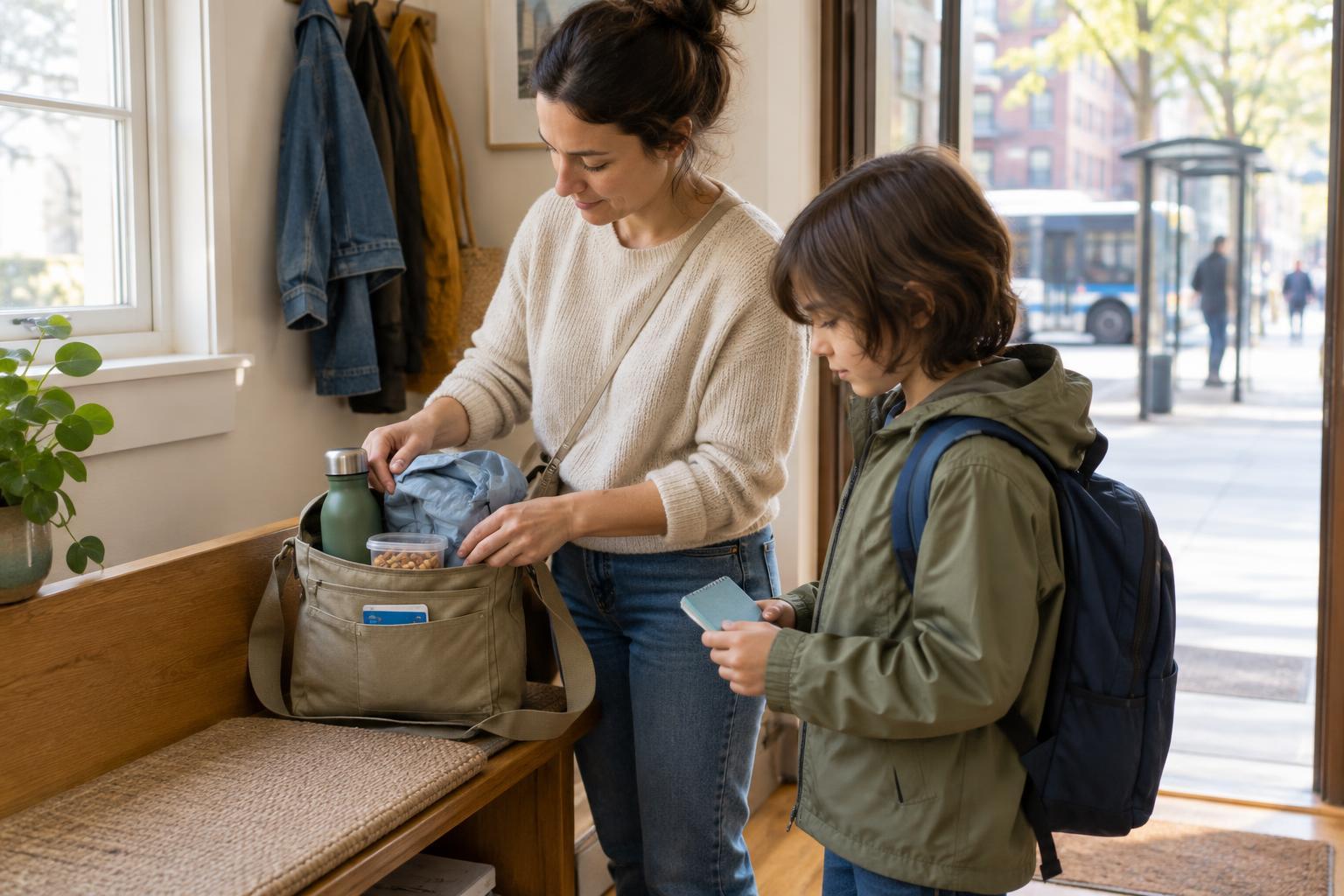
An outing advertised as free can still involve train or bus fares, parking, meals or supplies. Before choosing a destination, consider the total trip: travel time, restrooms, stroller access if relevant, weather and how long your family is likely to enjoy the activity. For younger children or anyone who tires easily, one destination may work better than a packed itinerary. Bringing water and a snack can leave more room in the budget for something unexpected.
Keep a small list of dependable options for different kinds of days: an indoor stop, an outdoor stop and a quick outing close to home. Add notes about what worked, such as a convenient route or a good place to take a break. Over time, that list becomes a personal guide to affordable city fun—one built around your family's interests rather than the biggest advertised events.