Start with a feeling, not a production
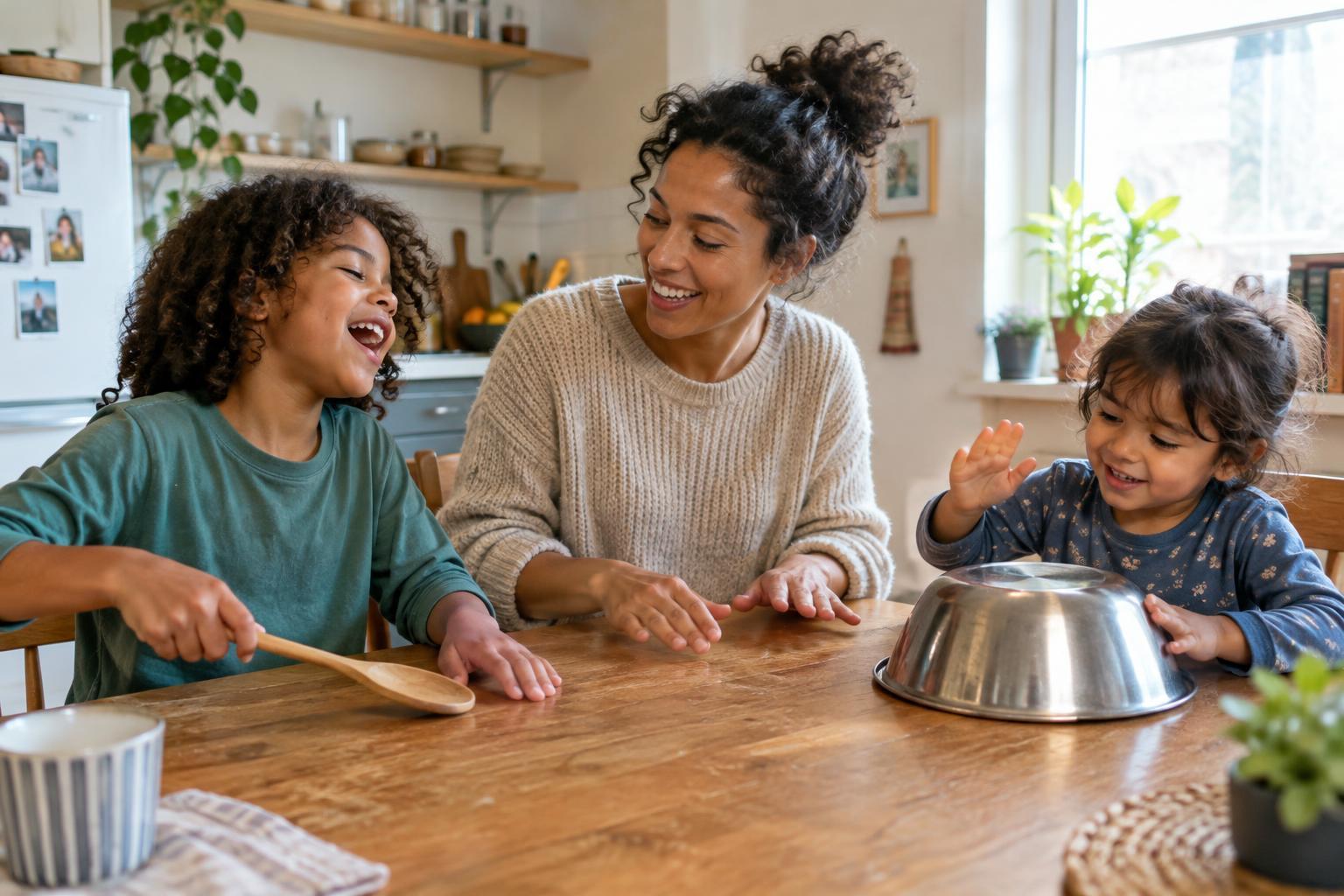
A family tradition can be as small as a song at breakfast or a note tucked into a lunch bag. What makes it meaningful is the chance to pause and say, “This matters to us.” Before planning a birthday or another milestone, think about the feeling you want to create. Would your family enjoy a lively celebration, a quiet moment together or a little of both?
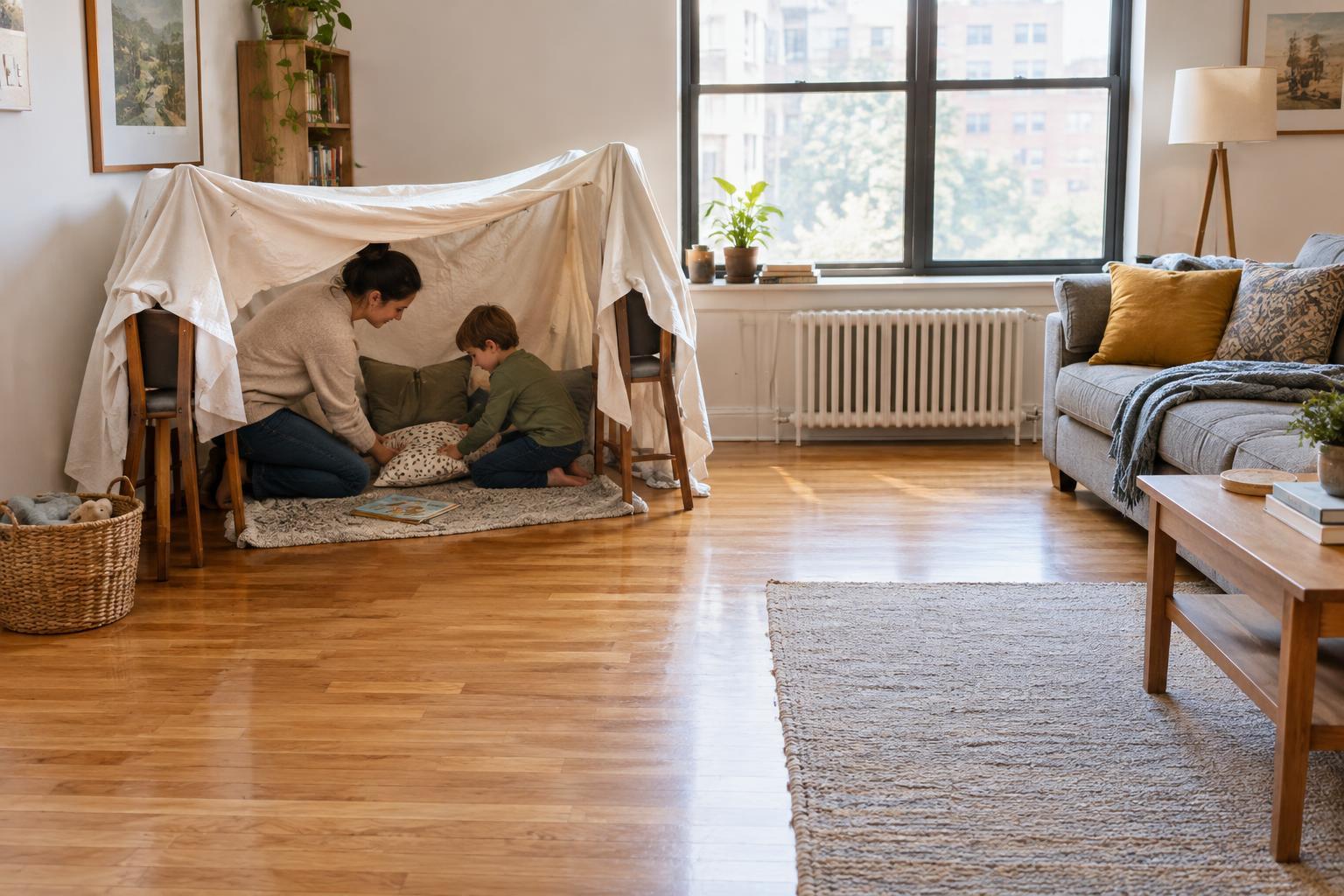
Begin with something your household can repeat without a complicated schedule. A special pancake shape, a paper crown or a walk to a favorite neighborhood spot can become familiar over time. If space, money or energy is limited, a ritual that takes ten minutes may be more welcome than an all-day plan. Simple also leaves room for the person being celebrated to enjoy the day rather than keep up with it.
Give birthdays a familiar rhythm
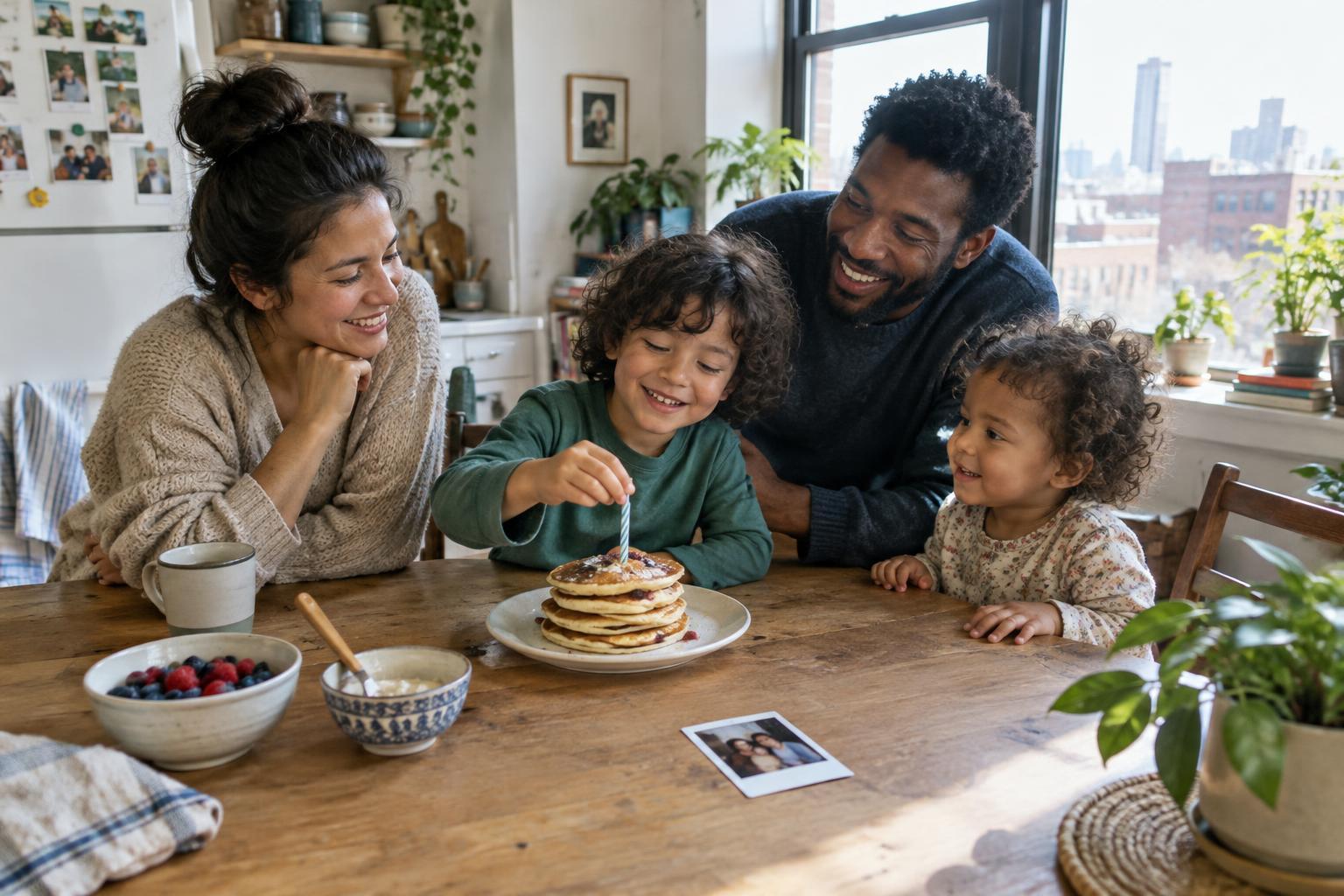
Choose one or two birthday moments that can work whether the day falls on a weekend, a school day or a busy workday. You might let the birthday person choose the dinner music, serve breakfast on a colorful plate or take a photo in the same corner of your home each year. Repeating a small detail gives everyone something to anticipate without making every birthday identical.
An annual question can be another gentle ritual. Ask about a favorite game, a place they would like to visit or something they are proud of learning. Write down the answer or make a short voice recording if that feels easier. Children’s answers may change from year to year, and older family members can join in too. Keep it conversational rather than turning it into a performance.
Notice milestones beyond birthdays
The end of a school year, finishing a challenging project, welcoming a new family member or learning a household skill can all deserve acknowledgment. Milestones do not have to be major achievements. Sometimes a change in routine, such as starting a new class or moving to a different apartment, calls for a moment to look back and look ahead.
Match the ritual to the occasion. After a first day somewhere new, share a snack and let everyone name one thing they noticed. When a child completes a project, display it for a week and invite them to describe how they made it. To mark a family move, take a walk around the old neighborhood or draw a map of favorite places. These activities create a record of everyday life without requiring a box of keepsakes for every event.
Make room for different personalities and ages
Not everyone wants a crowd, a surprise or a camera pointed at them. Ask the person being celebrated what parts of the day they would enjoy, offering a few manageable choices: a home activity or an outing, a shared dessert or a favorite meal, a photo or no photo. Young children can choose between two options, while older children may want more say in the plan.
Traditions can change as children grow. A bedtime story chosen by a parent might become a shared movie night or a trip to pick out a library book. If siblings have different preferences, keep the underlying gesture consistent—each person gets to choose a small way to celebrate—rather than insisting on the same activity for everyone. The goal is belonging, not perfect uniformity.
Keep the tradition easy to return to
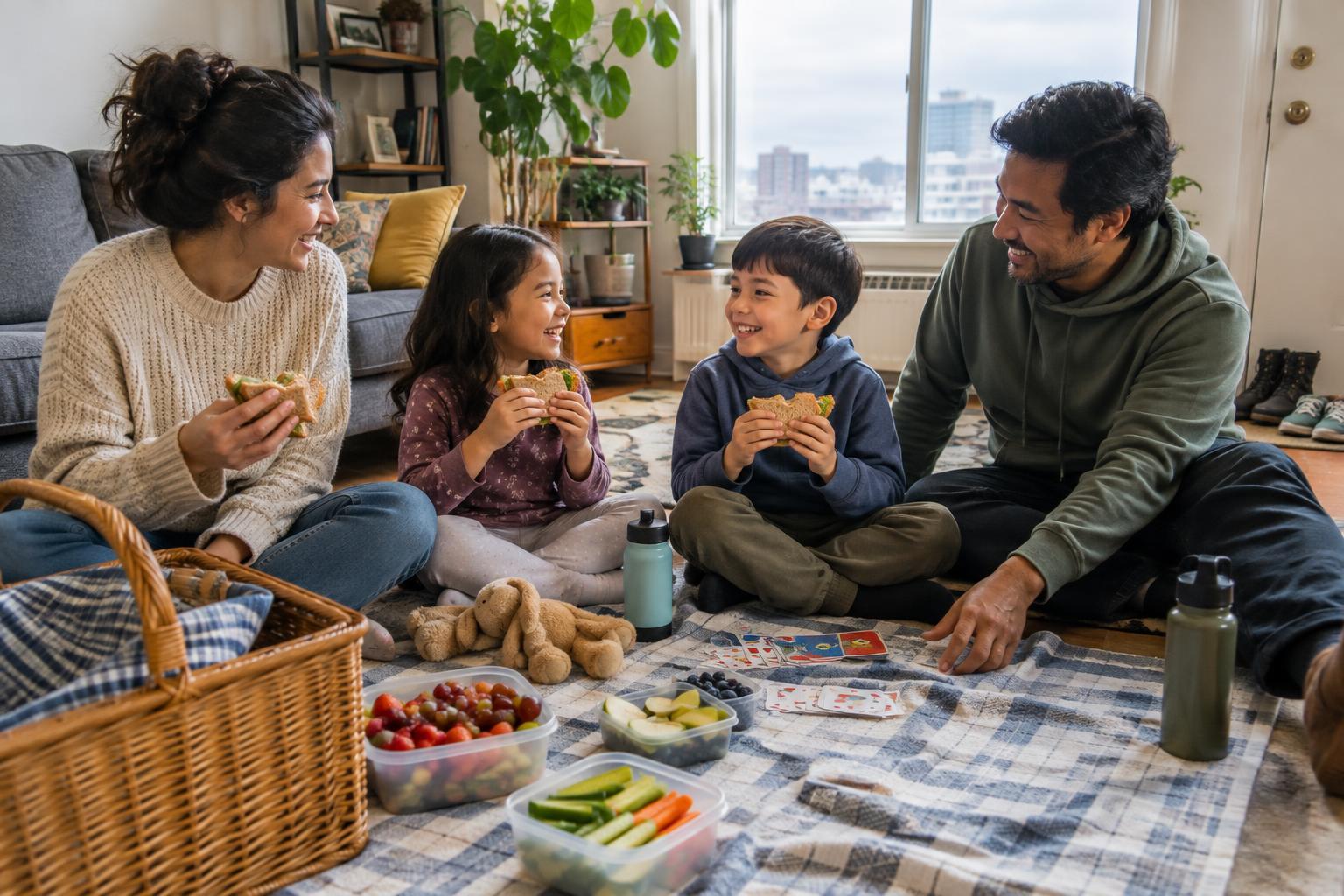
City family life can be unpredictable. Weather changes, commutes run long and people get tired. Give a tradition a simple backup version: if a birthday walk cannot happen, look through photos of past walks; if a special dinner is not possible, share the favorite food on another day. Moving a celebration does not make it less sincere.
It can help to keep a short list of traditions in a calendar or notebook, especially when the details are easy to forget. Note what people enjoyed and what felt like too much work. Then let the ritual evolve. The strongest family traditions are often the ones that are pleasant enough to repeat and flexible enough to survive an ordinary, messy week.