Planning for the ideal day instead of the day you have
It is easy to picture a long outing with everyone cheerful, curious and ready for the next stop. Real family days also include errands, tired adults, changing moods and the time it takes to get out the door. When the plan depends on perfect energy, one delay can make the whole activity feel like a failure.
Start with the time and attention your household actually has. If you have an open afternoon, a museum visit or a trip across the city might fit. If you have an hour, a neighborhood walk with one small purpose can be enough: find an interesting storefront display, choose a library book or sit together for a snack. A shorter plan is not a lesser plan when everyone has room to enjoy it.
Treating every outing like a packed itinerary
Adding stops can seem efficient, especially when getting everyone outside takes effort. But each extra destination brings another transition, decision and chance for someone to get hungry or want to go home. A park visit followed by lunch, shopping and an event may look appealing on paper while leaving little time to relax at any one place.
Try choosing one main activity and treating everything else as optional. Before leaving, decide what would make the day feel complete: perhaps twenty minutes of play, a shared walk or seeing one exhibit. Build in time for travel and a pause without assigning every minute a job. If the family is still interested afterward, you can add a stop. If not, you have already done what you came to do.
Bringing too much, or making supplies too complicated
Preparation helps, but a bag full of just-in-case projects can become another task to manage. At home, a craft with many special materials may take longer to set up and clean than anyone spends making it. Outdoors, an overflowing bag can make it hard to find the one item you need.
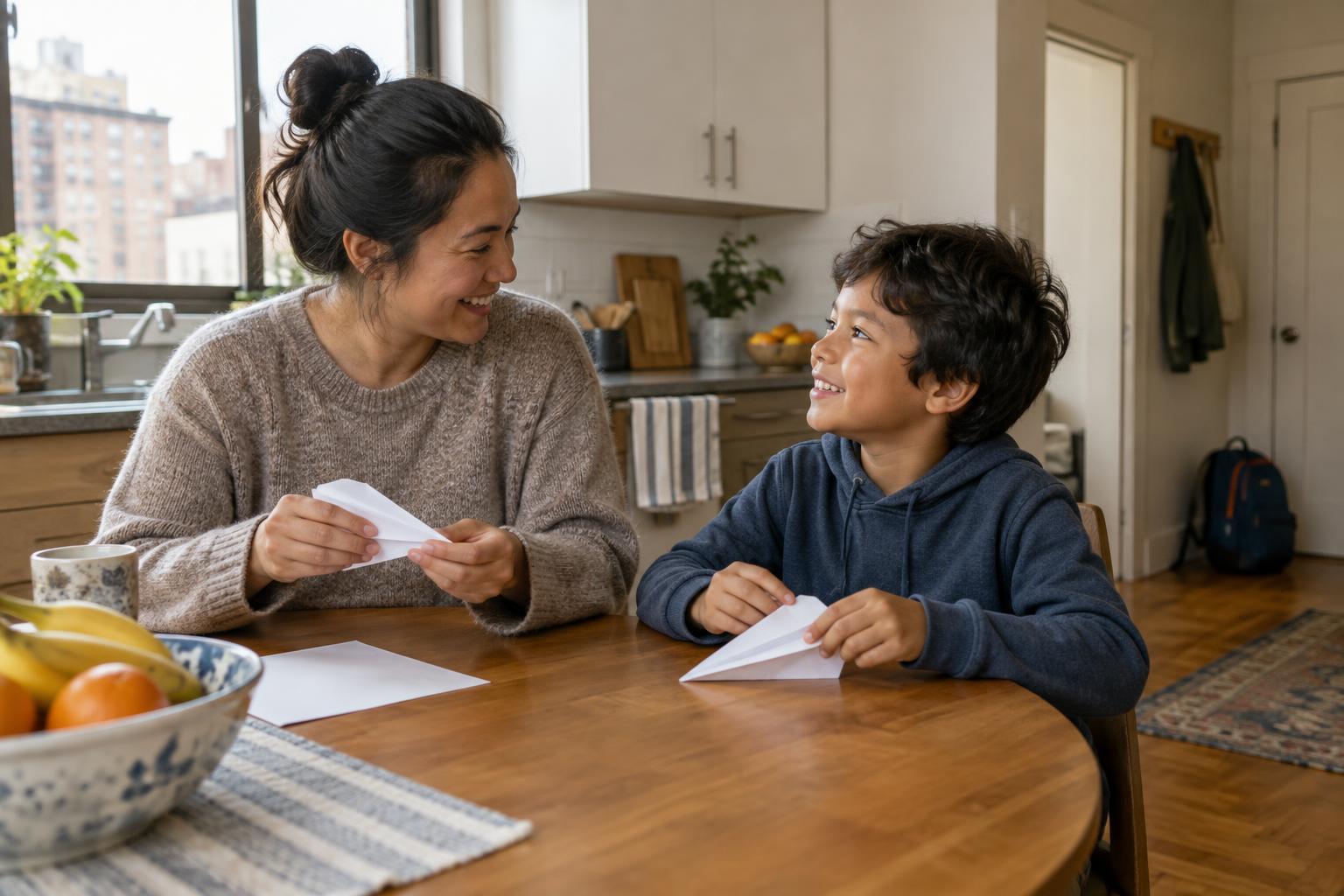
Match supplies to the activity rather than to every possible scenario. For a nearby outing, bring the essentials your family normally uses and perhaps one simple way to pass waiting time. For an at-home project, favor materials you already have and choose a cleanup spot before starting. Paper, crayons and a prompt such as “draw a place we visited” can invite plenty of participation without turning the kitchen into a supply station.
Making participation look only one way
An adult may imagine everyone joining the same game, finishing the same craft or paying attention for the same length of time. That expectation can create tension when family members have different interests. One child may want to run at the playground while another wants to watch. An adult may be happy to sit nearby rather than lead another round of pretend play.
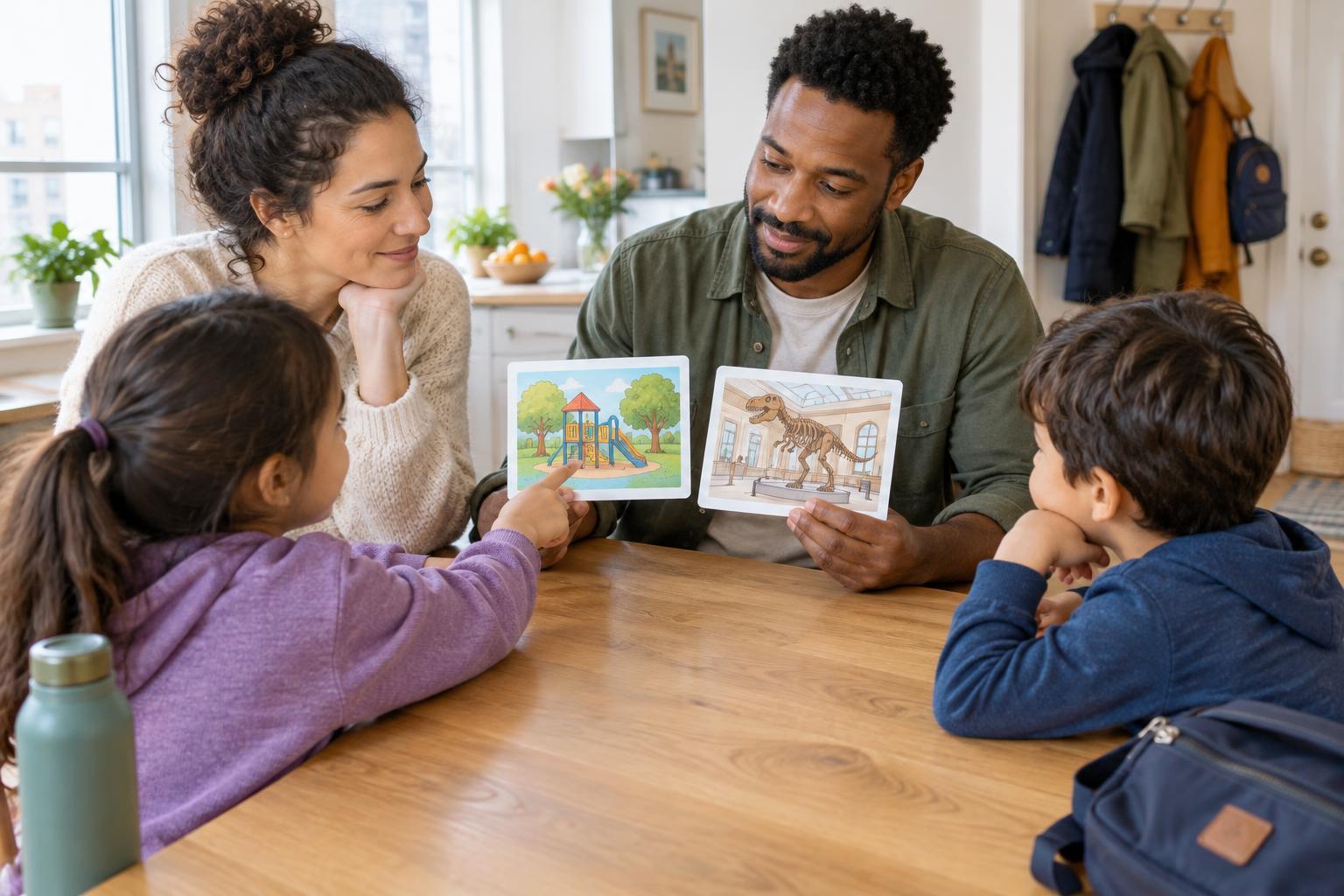
Offer a clear invitation without requiring an identical response. On a walk, one person might look for colors while another counts dogs or simply enjoys being outside. During a kitchen activity, someone can stir, set out napkins or just taste the finished snack. Shared time does not require everyone to perform the same task. It helps to set boundaries where needed, then leave some choice within them.
Forgetting that ending well is part of the plan
A fun activity can become exhausting when nobody knows when it will end. Staying until everyone is worn out, beginning a messy project too close to another commitment or negotiating one more turn over and over can overshadow the good parts. The goal is not to stop at a perfect moment; it is to leave enough energy for getting home and moving on with the day.
Set a loose ending point before you begin, such as leaving after a snack or cleaning up before dinner preparation. Give a simple heads-up when the end is near and allow time for ordinary tasks like gathering belongings. Afterward, skip the pressure to declare the activity a success. Ask what everyone liked, or simply notice what felt easy. Those small observations can help you choose a family activity that fits better next time.