Start with a shared experience, not a single task
Finding one activity that delights a toddler, a preteen and every adult can feel impossible. A more useful goal is to give everyone a way into the same experience. A park visit, for example, might mean looking for interesting leaves with a young child, taking photographs with an older one and enjoying a walk together. The family shares a place and a little time, even if each person engages with it differently.
Before choosing an activity, ask what you want from the day. Is the hope to move around, make something, explore the neighborhood or simply spend time together? That shared purpose can guide a choice without requiring identical participation. A short walk to pick out ingredients for dinner may serve a family better than an elaborate outing that depends on everyone staying interested for hours.
Build in roles that can change with age and interest
Activities with several small jobs are easier to adapt. On a neighborhood walk, one person can choose the route, another can spot colors or shapes, and someone else can carry a simple list of things the group hopes to see. During a craft session, a younger child might sort materials while an older child plans a design. No role needs to be permanent; switching jobs keeps the activity from becoming a test of who can do the most.
Offer choices within a clear plan rather than asking everyone to agree on every detail. You might say, “We’re going outside for a little while. Would you rather visit the playground first or look around the garden?” Older children can help propose options that fit the time available. Younger children can choose between two manageable tasks. Adults also get to participate instead of spending the entire activity assigning and supervising jobs.
Match the plan to the day you actually have
A good mixed-age activity fits the family’s available time, energy and budget. In a city, getting to an outing can take as much patience as the outing itself, especially with a stroller, bags or several people moving at different speeds. Consider travel, bathroom access, food breaks and how easy it will be to leave. A nearby destination with a flexible end time may offer more room for enjoyment than a longer trip with a packed schedule.
It helps to decide in advance what counts as enough. Perhaps the plan is to visit a public space, explore one area and head home before everyone is worn out. If the group wants to stay longer, that is a bonus, not an obligation. Keeping a small backup plan—such as drawing what you saw at home—can preserve the spirit of the activity if weather, crowds or tiredness change the day.
Make space for different ways to participate
Joining in does not always mean doing the same thing at the same pace. One family member may want to run, another may prefer to observe, and someone else may need a quieter moment. Choose activities with natural pauses or nearby alternatives when possible: a bench beside an open play area, a table where people can draw or talk, or a route with several places to stop. These features let people reconnect without forcing continuous group participation.
If someone is reluctant, find out which part of the plan feels unappealing. The destination, noise, length or assigned role may be the issue. A small adjustment can help: shorten the visit, offer a different job or let that person help choose the next outing. Not every activity will suit every family member, and an occasional split into smaller groups is reasonable when caregivers can arrange it safely. Inclusion is an ongoing practice, not a promise that everyone will love every minute.
Keep a few adaptable favorites
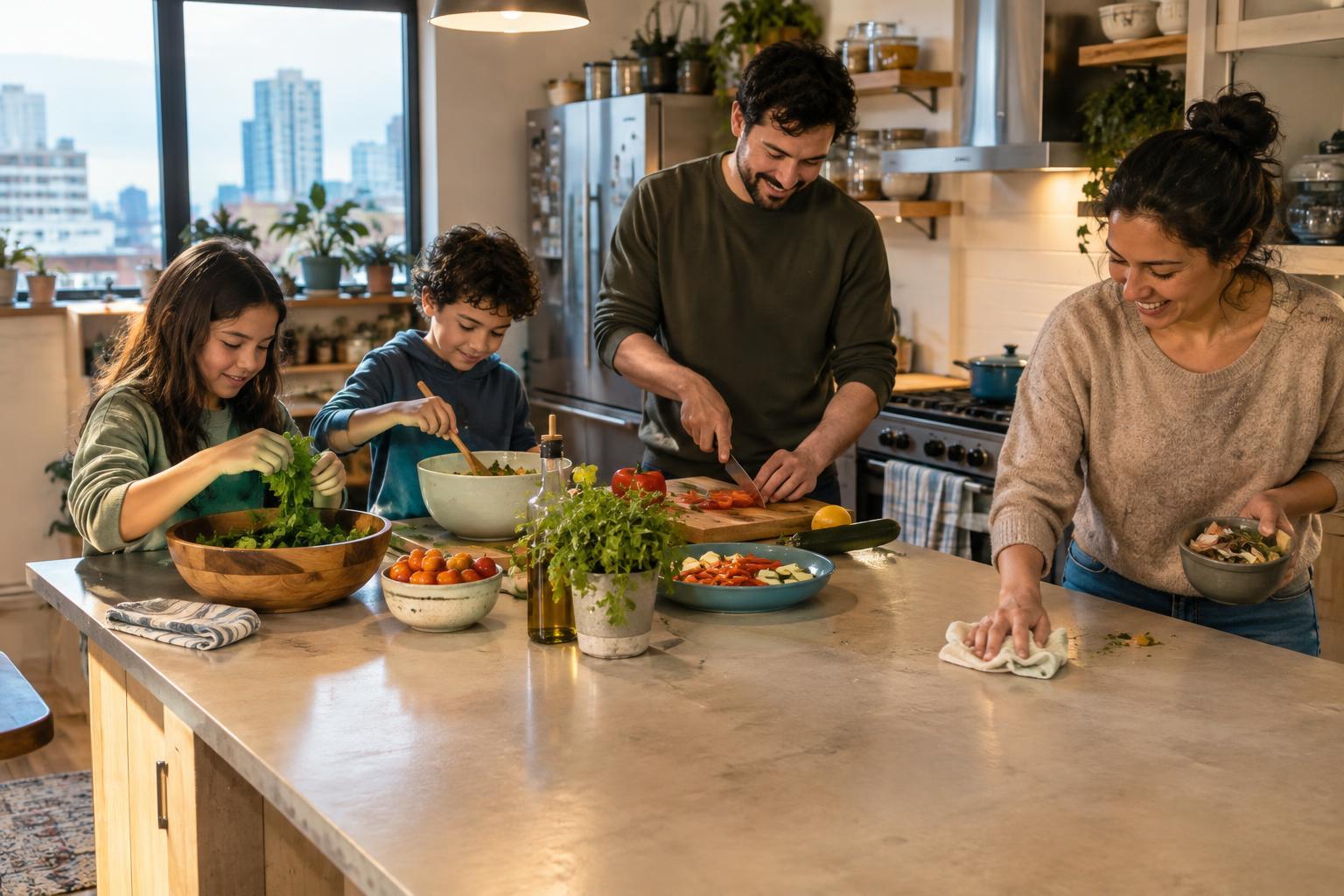
Families can make planning easier by keeping a short list of activities that work in more than one form. A scavenger hunt can happen in an apartment, on the block or at a park; the clues can be pictures for younger children or open-ended prompts for older ones. A cooking project can range from washing produce and setting the table to choosing a recipe and assembling part of a meal. The familiar format makes it easier to adjust the challenge without inventing a new plan each time.
Afterward, ask what each person liked and what they would change. Keep the conversation light: a quick comment on the way home may be enough. Over time, those observations reveal which destinations, roles and outing lengths fit your family. The best activity is not necessarily the most ambitious one. It is one that leaves room for different ages to contribute, take a break and share something worth remembering.